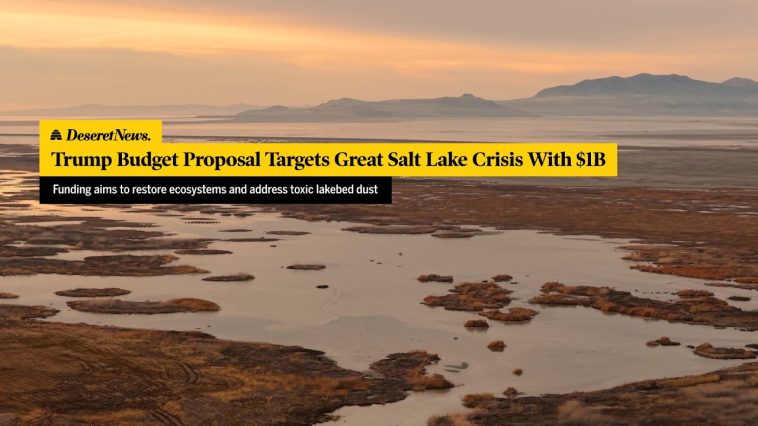
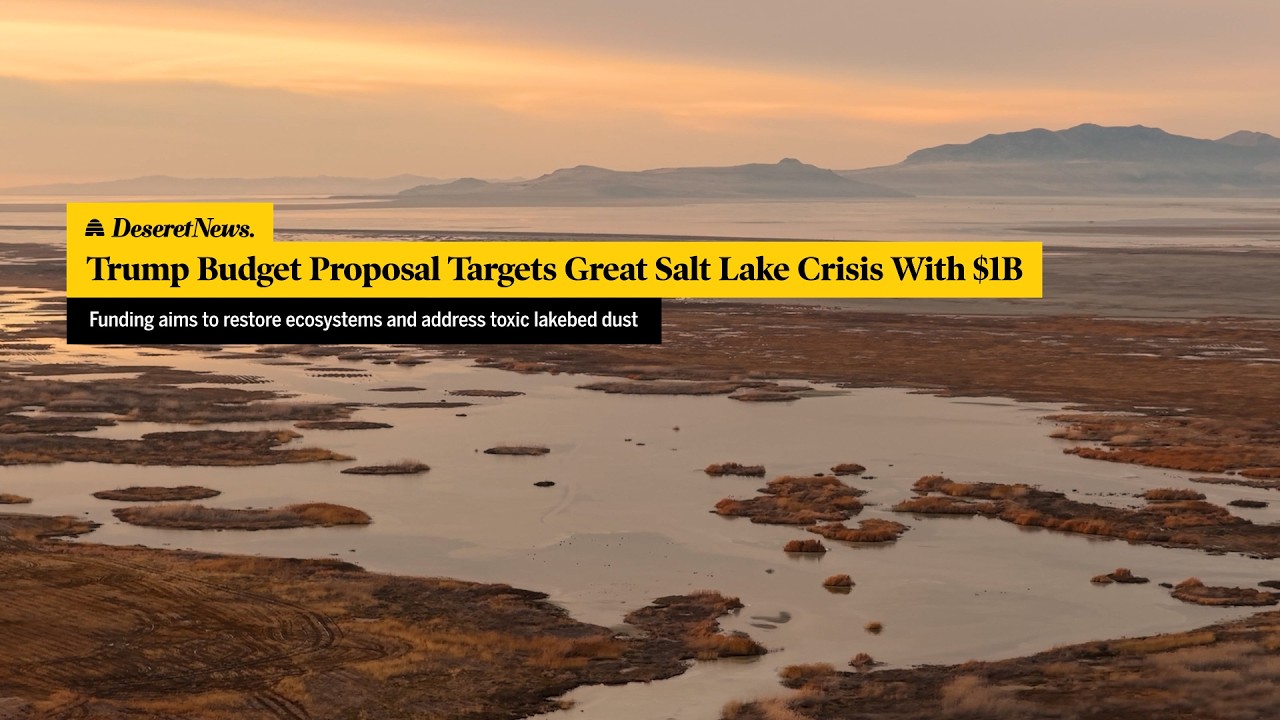
Utah Leaders Optimistic as President Trump Seeks Billion Dollar Rescue Plan for Great Salt Lake
Traveling Beyond the Beaten Path: An Opinion on Outdoor Adventures and Hidden Destinations
The world is filled with breathtaking landscapes, vibrant cultures, and endless opportunities for adventure. As someone who has spent years exploring both well-known and offbeat travel spots, I believe that every journey holds the promise of discovery—even if it comes with its share of tricky parts and tangled issues. In today’s opinion piece, I want to share my perspectives on outdoor activities, travel planning, and the subtle details that make each expedition uniquely rewarding. I aim to offer insight while also addressing those intimidating challenges that many travelers face when they get into the planning process.
Experiencing the Thrill of Unexplored Destinations
One of the great joys of traveling is the thrill of venturing off into the lesser-known areas of the globe. While mainstream tourist spots have their charm, the truly enriching experiences are often found in places where you have to work through some nerve-racking or overwhelming obstacles to really get into the heart of local culture. Places where you can truly figure a path through winding byways rich with history, nature, and surprising encounters.
Many travelers find themselves drawn to destinations that promise not only stunning scenery but also a deep, immersive cultural experience. Unlike the well-worn tourist circuits, these places often require you to steer through a mix of confusing bits of local bureaucracy, a tangle of cultural traditions, and the little twists that only locals understand. The rewards are tremendous: personal stories, genuine interactions with community members, and memorable adventures that will remain etched in your memory forever.
Breaking Down the Local Travel Bureaucracy
Traveling slighly off the grid can sometimes be intimidating due to the maze of local rules and paperwork that can act as unexpected hurdles. Many travelers have shared stories about being overwhelmed by the nerve-racking process of securing permits or sorting out unexpected travel rules.
Here are some tips to ease the transition when moving from a traditional itinerary to exploring new, undiscovered destinations:
- Research ahead: Spend time before your trip to poke around into local travel regulations and customs.
- Ask the experts: Seek advice from local guides who know the ins and outs of the area’s subtle details.
- Plan your schedule carefully: For many destinations, small distinctions, like the operating hours of local attractions, can make a huge difference.
- Embrace flexibility: Sometimes, the best experiences happen when things don’t go quite as planned.
For instance, when visiting a national park recently located in a remote mountain region, I found that the schedule provided by local guides was just a baseline. Once I allowed for additional time to figure a path through some unexpected detours, I discovered hidden waterfalls, local legends, and even small, family-run cafés that served the most authentic regional cuisine.
Carving Out Time for Outdoor Recreational Activities
Outdoor recreation isn’t just about hiking or camping; it’s also about stepping away from the conventional and embracing the subtle parts of nature that often hide in plain sight. Whether it’s a serene walk through a secret forest trail or an adrenaline-pumping mountain bike ride, each activity offers its own set of fine points and little details that contribute to a memorable getaway.
Outdoor trails can sometimes be intimidating to first-timers due to mixed terrains or weather unpredictability. Here are some essential guidelines to ensure you have an enjoyable experience:
- Plan for the unexpected: Always be prepared for abrupt changes in weather or terrain conditions.
- Invest in the right gear: The equipment you carry can make your outdoor trip much more enjoyable and safe.
- Learn local safety protocols: Whether it requires understanding local wildlife behavior or being aware of trail markers, it is key to stay safe.
- Connect with local outdoor communities: They can provide advice, updates, and often share stories about the subtle layers of the natural environment.
Local Cuisine and Cultural Immersion on the Road
One of the most enriching aspects of travel is getting into local culture through its unique cuisine. Food acts as a direct reflection of the history and traditions of a region, offering visitors a taste of its heritage. Trying new meals, from street food vendors to family-run restaurants, can reveal so much about the area’s hidden complexities—even if the menu language might initially seem intimidating.
To get the full experience, consider these suggestions:
- Sample regional specialties: Look beyond the usual dishes; many travel stories are written by those who have tasted that special dish which is hard to find elsewhere.
- Engage with local chefs: Many chefs are proud of their recipes and can provide the tiny details behind the cooking process that you would have missed otherwise.
- Explore local markets: Here you can experiment with regional ingredients, spices, and techniques, all of which add to the charm of the culinary experience.
Dining in unfamiliar surroundings might feel off-putting at first, but trust me when I say that each meal comes with a story. One delightful afternoon in a small Mediterranean town, I found myself indulging in an exquisite meal offered by a local family. Their food was not only delicious but filled with little twists and subtle details that spoke of decades-old traditions—an experience that would forever color my perspective on travel.
Planning and Overcoming the Tricky Parts of an Itinerary
One of the recurring themes I have noticed among fellow wanderers is the mix of excitement and anxiety that comes with planning a new adventure. The process can be as thrilling as it is overwhelming, particularly when the travel plans include numerous stops, varying modes of transportation, and the challenge to truly get into local life. Managing your way through these calendars and itineraries can be nerve-racking, yet it is a challenge that almost every traveler must face at some point.
Here are essential tips for planning a journey with multiple stops:
- Create a flexible itinerary: Build your travel plan with room for spontaneity so you can embrace those unexpected gems along the way.
- Leverage local travel apps: These tools are super important in helping you figure a path through possible ride-sharing or local transportation options.
- Use travel journals and blogs: Recent posts and reviews can shed light on the latest hurdles or hidden surprises that may influence your trip.
- Allocate extra time: Give yourself plenty of buffer time between journeys to adapt to any last-minute changes, ensuring your overall experience remains enjoyable.
To illustrate, I once planned a multi-city tour across a historical region in Europe. Despite having a meticulously outlined plan, I soon realized that some stops required more time than originally budgeted. Instead of feeling frustrated, I embraced the extra hours as a chance to explore secondary attractions and genuine local culture. In the end, the additional experiences enriched my journey in ways that a rigid schedule never could.
Discovering the Great Outdoors: Adventures Beyond the Map
The call to the wild, with its unpredictable weather and unexpected trail challenges, often offers some of the most authentic travel experiences. As an adventurer, I have always believed that nature holds a wealth of stories waiting to be told by those daring enough to take a closer look. Whether you’re hiking through a dense forest, kayaking on an isolated river, or cycling in open country, the call of nature extends far beyond the simple pursuit of physical activity.
In these outdoor experiences, every detail matters. The sound of a river cascading over rocks, the scent of pine trees in a cool breeze, and even the sight of a distant mountain range are subtle reminders that nature is full of small distinctions that create a complete adventure. Some might find these moments intimidating due to the variable conditions or the fear of getting lost, but such moments are the essence of a true wilderness journey.
To help you make your way through such adventures, here are a few guidelines:
| Aspect | Recommendation |
|---|---|
| Route Planning | Study maps, talk to local experts, and let flexibility be your guide. |
| Equipment | Invest in high-quality gear and always pack a basic emergency kit. |
| Local Knowledge | Learn about local flora and fauna, as well as meteorological patterns. |
| Health and Safety | Ensure you have travel insurance and a plan in case of sudden weather changes. |
These guidelines are designed to help you understand and manage the unpredictable parts that come with exploring nature’s raw beauty. It is in these environments that even the tiniest detail—like the way light filters through the trees at dusk—can transform a simple walk into an unforgettable memory.
Taking the Wheel in Managing Your Travel Budget
While planning for a journey, one cannot overlook the somewhat nerve-racking task of managing your travel budget. Often, travelers find that stretching a limited amount of funds can be full of problems and unexpected twists and turns. However, with a few essential tips, managing your finances on the road doesn’t have to be overwhelming or off-putting.
Consider these practical steps when budgeting for a memorable journey:
- Set aside a contingency fund: Always keep an emergency stash to deal with sudden expenses—be it extra transportation, unplanned tours, or just that extra scoop of local ice cream!
- Create a daily spending plan: Outline your primary expenses such as lodging, food, and activities, allowing for some flexibility if you decide to try something unexpected.
- Use local currency: Familiarize yourself with the local currency to avoid getting tangled in exchange rate issues that might otherwise seem confusing.
- Research cost-saving tips: Engage with travel blogs and forums where fellow explorers share advice on where to dine cheaply or how to find affordable lodgings.
The key is to work through the budget planning process confidently. Even when the plan seems loaded with issues, each little twist can be made manageable with proper preparation and a pinch of local insight. I recall a summer journey in Southeast Asia where my initial budget plan soon met the unexpected costs of local tours and transport. In hindsight, though, each expense was a gateway to experiencing something authentically unique—be it a hidden temple excursion or a spontaneous cooking lesson with a local chef.
Embracing Local Storytelling for a Richer Experience
Travel is not only about the physical journey; it is also about the narratives you collect along the way. Every destination carries its own stories, often told by locals in small cafés, at roadside markets, or during impromptu gatherings. These narratives offer insight into the little details and fine shades of regional history that aren’t covered in any guidebook.
Connecting with locals can turn a routine tour into a deeply personal experience. Here are some ways to incorporate local storytelling into your travels:
- Join community-led tours: Whether it’s a walking tour around ancient ruins or a guided hike through local villages, these opportunities allow for a more intimate exploration.
- Participate in cultural festivals: Dive into local celebrations that highlight regional traditions, music, and dance.
- Engage in conversations: Take time to interact with local residents—many will willingly share anecdotes and insights, revealing the small distinctions in the area’s cultural fabric.
- Document your journey: Keeping a travel journal or blog not only preserves your memories but also invites others to understand and appreciate the multifaceted beauty of the destination.
On one trip, I had the chance to join a local storytelling evening in a remote village. Although the language barrier presented confusing bits initially, the warmth of the host and the passion in their voice allowed me to connect with the stories on a much deeper level. Even though I had to navigate through some subtle cultural differences, it turned out to be one of the most rewarding parts of my journey.
Strategies for Overcoming Travel Challenges and Staying Flexible
Every adventure comes with its own set of challenges. The unpredictable nature of travel is often riddled with tension and unexpected turns. However, learning how to manage these tricky parts can transform a nerve-racking experience into a fulfilling one. Whether it’s an unexpected schedule change, an abrupt weather shift, or even minor miscommunications with local services, every challenge is an opportunity to learn and adapt.
Here are strategies to help you steer through these experiences:
- Adopt a problem-solving attitude: Instead of seeing hurdles as obstacles, view them as interesting puzzles that encourage you to get into some creative thinking.
- Keep communication open: Speak with local guides and fellow travelers to gain insights and solutions to often complicated pieces of the journey.
- Accept temporary setbacks: Sometimes, a delay or sudden change can lead to unplanned adventures that, in hindsight, turned out to be highlights of your trip.
- Maintain a positive outlook: Remember that each twist and turn is part of the overall narrative of your journey and can be turned into valuable travel lore.
In my own travels, encountering roadblocks has often led me to discover new aspects of a destination. For instance, during a winter expedition to a high-altitude region, sudden snowstorms forced me to change plans on the fly. Instead of letting the weather dampen my spirit, I took extra time to explore local mountain huts and interact with residents who turned out to be excellent storytellers. It was a clear reminder that every setback carries the potential for something unexpectedly beautiful.
Setting Realistic Expectations for Remote Getaways
While a remote getaway can be super important for anyone seeking solitude or an escape from city life, it is equally full of problems when it comes to practical matters such as connectivity, transportation, and access to modern conveniences. Packing for such trips requires you to be extra organized and to work through the scheduling and logistic parts with a clear head.
Here is a checklist to guide you during your preparations for remote adventures:
- Essential travel gear: Ensure that you have all the key items such as a reliable map, sufficient water, a first-aid kit, and weather-appropriate clothing.
- Connectivity solutions: Consider alternative communication methods like local SIM cards or satellite phones, which can be a lifesaver in remote areas.
- Cultural research: Understand the local customs and ask locals in advance about basic etiquette. This small distinction can help you avoid misunderstandings.
- Emergency plans: Always have a backup plan in case of unforeseen emergencies, whether it’s knowing the address of the nearest medical facility or keeping a list of emergency contacts.
Many travelers might view remote getaways as nerve-racking or off-putting due to these challenging parts. However, by setting realistic expectations and preparing adequately, you embrace the full spectrum of experiences that such escapes offer—from awe-inspiring natural beauty to the authentic warmth of local human connections.
Incorporating Sustainability into Outdoor Adventures
In today’s world, sustainable travel is more than just a trend—it is a responsibility that every traveler should consider. Engaging in eco-friendly practices ensures that natural environments and local cultures are preserved for future explorations. Whether it’s using biodegradable products, reducing your carbon footprint, or supporting local businesses, adopting sustainable practices is critical for maintaining the delicate balance of nature and culture.
Some practical ways to travel sustainably include:
- Choose eco-friendly accommodations: Look for lodgings that commit to renewable energy, waste reduction, and community support initiatives.
- Minimize single-use plastics: Bring reusable water bottles, utensils, and shopping bags to reduce waste.
- Support local economies: Buy from local artisans, dine in locally-owned restaurants, and hire local guides to help contribute positively to the community.
- Travel light: Packing only what is absolutely necessary not only makes your journey smoother but also reduces the energy required for transport.
Embracing sustainability in travel may initially seem like an additional responsibility, but soon it becomes second nature. I vividly remember an expedition in Central America where every local business and guide I encountered took immense pride in their eco-friendly practices. This commitment enriched my travel experience, lending an added sense of purpose to each step of my journey.
Choosing the Right Mode of Transportation for Seamless Journeys
One of the more puzzling bits of planning an extensive trip is deciding on the most suitable mode of transportation for each leg of your journey. The answer often depends on the region, terrain, and even the time of year you’re traveling. From road trips in a rented car to train journeys that allow you to relax and admire the landscape, each option presents its own set of subtle details and little twists that can either enhance or complicate your journey.
Below is a quick guide to selecting transportation methods based on various travel scenarios:
| Scenario | Recommended Mode | Key Considerations |
|---|---|---|
| City Exploration | Public transit / Walking | Cost-effective, offers immersive local experiences |
| Scenic Countryside | Car rental or bike touring | Flexibility, opportunity to stop spontaneously |
| Long Distance Travel | Train or bus travel | Comfort and sustainability amid extended travel times |
| Adventure Expeditions | Local guides with specialized transportation | Safety, local expertise for off-the-beaten-path routes |
Deciding on a mode of transport can sometimes be intimidating when you’re faced with so many choices and potential twists. The key is to plan ahead while remaining flexible enough to accommodate unforeseen delays or changes—an approach that has saved many a traveler from missing out on that special roadside attraction or spontaneous local festivity.
Building Confidence Through Small, Meaningful Steps in Travel
At its core, travel is as much an internal journey as it is an external one. Often, the little steps you take—deciding to try a regional dish, engaging in conversation with a local vendor, or even simply admiring a sunset from a remote viewpoint—are what slowly build your confidence to face the more nerve-racking or intimidating aspects of travel planning. Every step taken can be seen as a stepping stone to richer experiences.
Here’s how embracing these small yet essential moments can transform your travel mindset:
- Celebrate minor victories: A successful interaction with a local or managing a slight twist in your itinerary is always worth acknowledging.
- Reflect on your experiences: Maintain a travel journal or blog. This practice not only captures memories but also highlights the fine points you may have overlooked at first.
- Engage in continuous learning: Each trip offers lessons and insights into the little details that can help you plan even better in the future.
- Share your stories: Whether it’s through conversations with fellow travelers or online communities, discussing your adventures can boost your confidence and inspire others.
I have often found that the cumulative effect of these small actions contributes immensely to building resilience on the road. What once seemed like nervous uncertainty became gradually replaced by a confident willingness to embrace every twist and turn along the journey.
Reflecting on the Transformative Power of Travel
Every journey leaves us with memories that shape who we are. The act of stepping out of your comfort zone to explore unknown territories, overcome confusing bits of logistics, and appreciate the fine points of local life can be deeply transformative. As an editor and seasoned traveler, my own experiences have taught me that true adventure lies in the unpredictable mix of challenges and pleasures.
In a world where travel has become increasingly accessible, the onus is on us to make the most of our adventures. Embracing both the challenges and the rewards, we learn to figure a path through obstacles while also being open to the inherent surprises that each journey offers. Whether you’re planning a short weekend escape or an extensive overseas tour, remember that every step, no matter how intimidating it may seem at first, adds value to your story.
Travel fosters empathy, creativity, and resilience. The delicate balance between planning and spontaneity requires you to sort out your priorities while letting go of what you cannot control. It is this dance between careful preparation and embracing the uncontrollable that makes every trip uniquely memorable. Even the nerve-racking moments, when managed with a positive outlook and practical strategies, end up being the highlights of your travel narrative.
Final Thoughts: Embracing Every Aspect of the Journey
In conclusion, the world of travel is a rich tapestry of experiences that weave together rugged nature, vibrant culture, and personal introspection. While there are plenty of intimidating obstacles and complicated pieces—ranging from local bureaucracy to unexpected weather conditions—each challenge is also an opportunity to grow, connect, and celebrate the joy of exploration.
What truly makes a journey memorable are the subtle details that unfold only when you decide to get into the heart of a destination. It’s in navigating the small distinctions in local cuisine, managing your travel budget with care, and engaging in sincere conversations with the people you meet along the way. These moments may start as nerve-racking or off-putting, yet they quickly transform into highlights of your travel story.
So, as you prepare for your next adventure, whether it’s a spontaneous road trip or a carefully planned international sojourn, know that every twist and turn on your journey is an invitation to discover the world through fresh eyes. Embrace the unexpected, be open to small but significant details, and trust that each step you take will add a valuable chapter to your travel memoir.
Remember, travel isn’t just about reaching a destination—it’s about the entire experience along the way. By acknowledging and working through the tricky parts, letting go of strict expectations, and immersing yourself in local life, you can transform even the most intimidating journey into one of life’s most cherished adventures.
Key Takeaways for Enthusiastic Travelers
- Embrace off-the-beaten-path destinations to uncover authentic experiences.
- Prepare to face and manage nerve-racking travel challenges with flexibility and research.
- Engage with local culture through food, storytelling, and community-led tours.
- Plan your itinerary with room for spontaneity and be ready for unexpected twists and turns.
- Prioritize sustainability and budget-friendly practices for a responsible and fulfilling journey.
Let this editorial serve as a reminder that every adventure, with all its intimidating moments and hidden rewards, is an opportunity to discover not only new places but also aspects of yourself that flourish when you step beyond the familiar. Trust in your ability to work through every twist and turn, and soon you’ll come to see that the little details in travel often pave the way for the biggest, most beautiful transformations.
Originally Post From https://www.abc4.com/news/great-salt-lake/utah-leaders-react-trump-great-salt-lake/
Read more about this topic at
That white text resume “hack” is COMPLETE BS and …
I Can Spot AI Writing Instantly – Bypass ChatGPT Detectors …