Exploring the Great Lakes Basin: A Hub of Life and Opportunities
The Great Lakes Basin is more than just a massive collection of interlinked freshwater lakes; it’s a vibrant and bustling region that touches the lives of nearly 34 million people. When you take a closer look, the basin isn’t only significant because of its immense water resources—it’s also a dynamic blend of major urban centers, bustling economic activities, and intricate environmental challenges. This opinion editorial takes a closer look at how the population and economic output of the Great Lakes Basin tie into the region’s overall vitality while also grappling with its own set of tangled issues and ecological stresses.
Stretching from Lake Superior in the north to Lake Ontario in the south, the Great Lakes Basin underscores an incredible balance between natural wealth and human development. If you were to imagine it as a standalone country, its economy would be positioned as the third-largest in the world. Yet, with this prominence comes a responsibility: ensuring that the delicate balance between growth and nature isn’t disturbed by the overwhelming pressures of urban proliferation.
Population Distribution: Unpacking the Numbers
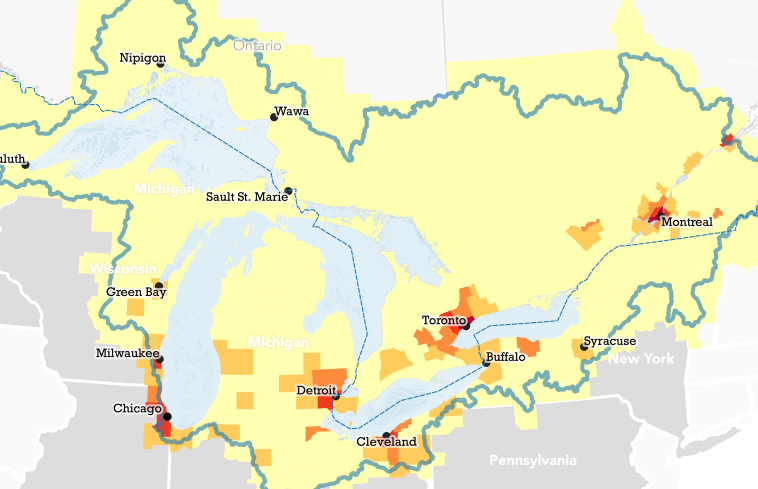
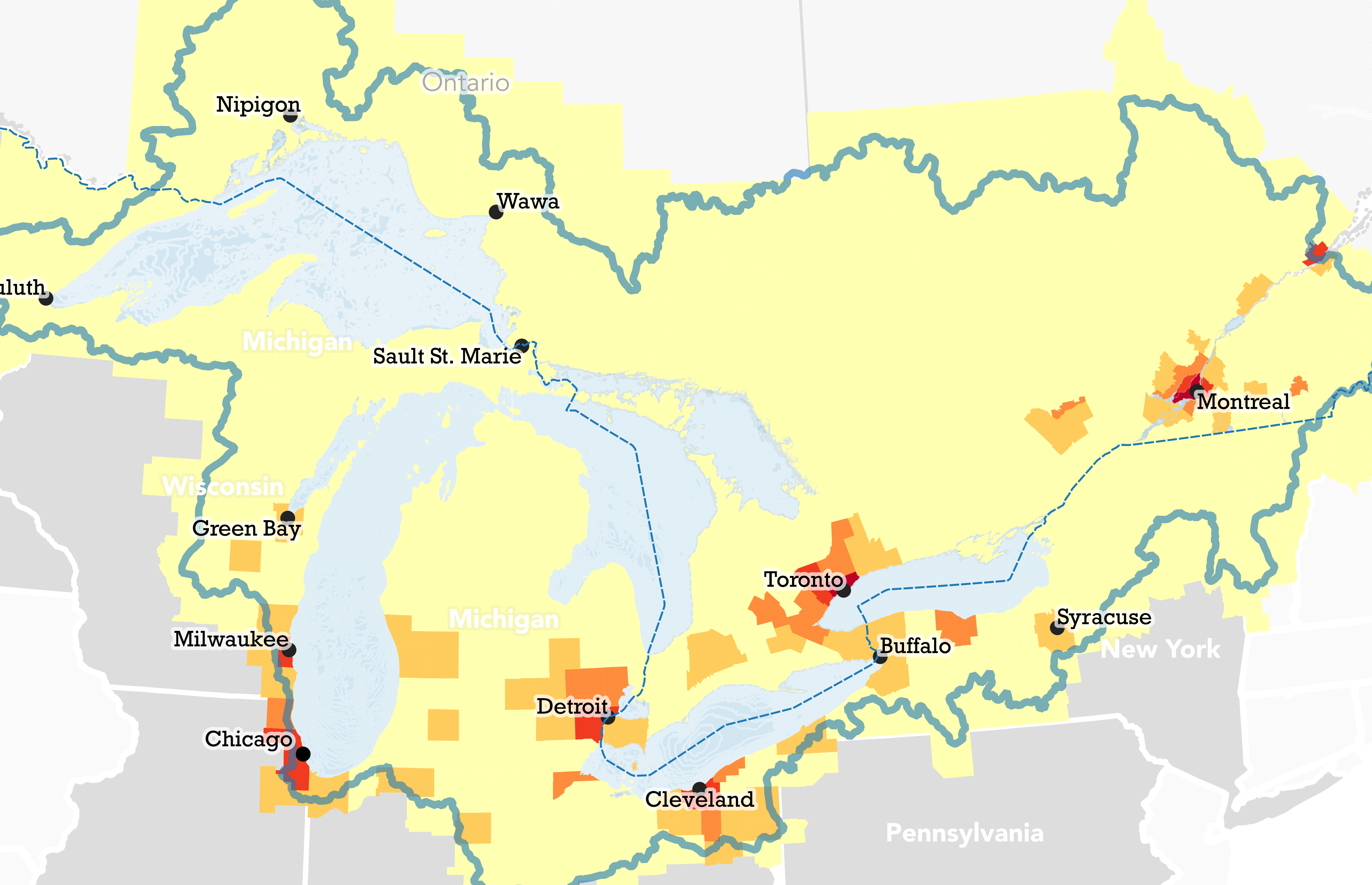
Diving into the nitty-gritty of the Great Lakes Basin, one of the first things that stands out is its diverse population spread. According to different sources including studies funded by the National Oceanic and Atmospheric Administration and state programs from Michigan, the basin cradles approximately 34 million people. Interestingly, this accounts for about 32% of Canada’s total population and 8% of the U.S. population. These figures reveal a complex interplay between densely populated urban areas and expansive, less inhabited rural lands.
To help illustrate this distribution, consider the individual contributions of each lake’s basin:
| Lake | Population in Basin | Notable Cities/Regions |
|---|---|---|
| Lake Erie | Approximately 12 million | Detroit, Cleveland, Erie, Buffalo |
| Lake Michigan | Approximately 12 million (all in the U.S.) | Chicago, Milwaukee, Grand Rapids |
| Lake Ontario | Approximately 9 million | Toronto, Hamilton, Syracuse, Rochester |
| Lake Huron | Approximately 3 million | Sault Ste. Marie, Sarnia, Bay City |
| Lake Superior | Just over 600,000 | Duluth, Thunder Bay, Marquette |
This table spotlights the population disparities among the lakes. While Lake Superior’s basin, spread over vast stretches of forested and rural landscapes, contains fewer residents, the urbanized environments in the basins of Lake Erie, Lake Michigan, and Lake Ontario are teeming with life and economic activity. These dynamics raise several questions about how to manage such a varied region, where both significant urban expansion and natural retreats coexist.
Urban Hubs: The Vibrant Life of the Lake Erie Basin
When you look at areas like the Lake Erie basin, you find a truly urbanized setting. With roughly 12 million residents calling it home, the region includes major metropolitan areas such as Detroit, Cleveland, Buffalo, and Erie. These cities are not just population magnets; they serve as economic powerhouse and cultural centers, weaving together the fabric of a region that is both economically and socially charged.
Such urban concentration brings with it a host of key economic benefits:
- Economic Output: The bustling industries in these cities include manufacturing hubs, financial centers, and technology clusters, which help bolster regional and even national economic trends.
- Employment and Innovation: With innovation hubs and large job markets, millions of people find livelihood in sectors as diverse as high-tech, auto manufacturing, and creative arts.
- Urban Culture: Beyond economic factors, these regions are a blend of cultural institutions, entertainment venues, and culinary scenes that attract both residents and tourists.
However, managing these urban giants is not without its own set of confusing bits. The concentrated population leads to significant pressure on municipal services such as public transportation, wastewater management, and housing. These challenges highlight the fact that while the economic boom is undeniable, the infrastructure supporting these urban areas needs careful planning and constant updating.
The Economic and Environmental Impact of a Densely Populated Region
One cannot discuss the Great Lakes Basin without exploring the key role it plays in regional and national economics. Collectively, the basin supports over 51 million jobs in essential sectors like farming, manufacturing, and trade. With more than 200 million tons of cargo shipped every year via its waterways, the interconnected lakes are the lifeblood of commerce across two nations. Yet, this high level of economic activity introduces several tough questions.
For example, consider how economic prosperity might also drive ecological pressures. The basin’s water bodies—holding a staggering 20% of the world’s fresh surface water—are directly affected by urban sprawl and industrial output. The challenges are many, including:
- Chemical Runoff: As urban zones expand and agriculture intensifies, chemical runoff becomes a scary issue. This runoff can introduce harmful substances into the water, impacting both human health and natural ecosystems.
- Municipal Sewer Overflows: Heavy population centers often push existing sewer systems to their limits. During extreme weather events, these systems can overflow, leading to contamination that affects local waterways.
- Microplastic Accumulation: With everyday consumer use contributing to small-scale pollution, microplastics build up in the aquatic food chain, posing subtle, yet significant, long-term effects.
- Habitat Fragmentation: Urban expansion can cut off natural habitats, leaving many species with fewer opportunities to thrive. The delicate balance between nature and urban life is thrown off by these little twists.
Even as the basin’s booming economic activities define it as one of North America’s most dynamic regions, the environmental pressures also underscore the need for careful, thoughtful management. These topics are not merely academic; they touch upon the real everyday experiences of residents who depend on a clean and reliable water supply for both personal and economic reasons.
Environmental Challenges: Tackling the Tricky Parts of a Busy Watershed
It’s no secret that the Great Lakes Basin is struggling with a number of environmental challenges that are as complex as they are interconnected. Managed over decades through various state and international initiatives, the region faces several problematic twists and turns related to its population density and natural resources. When it comes to dealing with these issues, understanding and addressing the hidden complexities is key.
Below are some of the core environmental concerns that demand attention:
- Water Quality Issues: With such a dense population, maintaining water purity is a constant struggle. Urban runoff, industrial discharge, and the aforementioned sewer overflows all contribute to water quality issues that can be nerve-racking for local authorities.
- Stormwater Management: Extreme weather patterns and severe storms are part of the region’s reality. These events test local infrastructure in ways that require communities to figure a path around aging systems and inadequate capacity.
- Habitat Protection: As urban sprawl continues, natural habitats are increasingly fragmented, affecting everything from fish populations to migratory birds. Protecting these areas is critical for maintaining biodiversity.
- Climate Change Adaptation: Although the Great Lakes area may be seen by some as a relative climate haven due to its abundant freshwater, it is still on edge. Changes in weather patterns, fluctuating lake levels, and sudden storms are constant reminders of the unpredictable environmental shifts that lie ahead.
These environmental obstacles are not isolated; rather, they are tightly woven into the fabric of the region’s economic and social structure. The small distinctions in water quality between urban and rural areas, for instance, can have large implications for public health and local economies. Community leaders and policy makers must work through these tangled issues by prioritizing both sustainable growth and environmental protection.
Future Outlook: Infrastructure and Climate-Related Challenges
Looking ahead, one of the largest questions facing the Great Lakes Basin is how to keep pace with future growth while contending with climate-related disruptions. The influx of residents, boosted by economic opportunities, and even climate-induced migration, presents an intimidating challenge for urban planners and environmental agencies alike.
There are several areas where future efforts need to focus in order to strike a balance between development and preservation:
- Updating Public Infrastructure: Aging systems for wastewater treatment, stormwater management, and transportation require significant upgrades. Modern infrastructure isn’t just an investment in convenience; it’s a key step in safeguarding public health and the environment.
- Expanding Capacity: As more people settle in the basin, municipalities must find their way through the challenges of increased demand for housing and public services. Balancing expansion with sustainable practices is a nerve-racking task, but one that cannot be avoided if the region is to remain livable and prosperous.
- Localized Climate Resilience: Given that the Great Lakes region enjoys a relative absence of extreme drought or sea-level issues, it might seem like a safe haven. However, localized weather disruptions—like severe storms and rapid fluctuations in lake water levels—can have dramatic impacts on local communities. Planning for these events is critical to minimize both economic and ecological fallout.
For instance, research from the University of Michigan has highlighted the possibility that unmanaged climate-induced migration could strain the basin’s municipal systems further. As urban areas expand to accommodate new residents, the need to update public infrastructure becomes ever more critical. Cities along the Great Lakes must take proactive steps now to ensure that they can support a growing population without sacrificing water quality or environmental health.
Managing Demographic and Economic Pressures: A Balancing Act
One of the key challenges for the Great Lakes Basin is managing the fine balance between robust economic development and the preservation of a precious natural resource. On one hand, the region’s economic output—ranging from world-class manufacturing to innovative tech hubs—serves as the backbone of North American commerce. On the other hand, the relentless growth in urban areas and the accompanying ecological pressures are full of problems that require thoughtful attention.
To manage these competing demands, regional authorities have crafted several strategies:
- Regional Planning Initiatives: Multiple strategic plans are in place, developed by a mix of state and local governments as well as cross-border alliances, that focus on sustainable growth. These initiatives pay special attention to the contradictory needs of a booming economy and the ecological preservation of the watershed.
- Public-Private Partnerships: Both sectors are coming together to invest in not only infrastructural improvement but also in cutting-edge research on pollution control, water treatment, and habitat restoration. These collaborations allow cities to benefit from innovative technologies while reducing environmental strain.
- Community Engagement: Residents, NGOs, and local businesses are increasingly involved in shaping the policies that affect their communities. By taking a closer look at local challenges, the citizens of the Great Lakes Basin are becoming more proactive in solving their own issues, from recycling programs to initiatives that promote green spaces in urban environments.
All these strategies need to be coordinated carefully, especially when you consider the subtle parts that make each local environment unique. While the economics of the region are a beacon of opportunity, finding your way around the environmental challenges and infrastructure demands requires both innovation and cooperation.
Cross-Border Cooperation: Protecting a Shared Freshwater Treasure
One of the most compelling aspects of the Great Lakes Basin is its status as a shared resource between two nations—the United States and Canada. This binational character adds an additional layer of responsibility when it comes to protecting the watershed’s water quality and extensive natural habitats. Both governments have recognized that safeguarding the Great Lakes is not optional, but a super important aspect of national security and environmental policy.
To underline their joint commitment, both countries have enacted measures such as the Great Lakes Compact. This agreement, signed by the eight Great Lakes states in the U.S., prohibits water diversion outside the basin’s natural boundaries. In parallel, Canadian provinces like Ontario and Quebec have embraced similar conservation goals, forming a cooperative framework that crosses national boundaries.
This cross-border partnership is a shining example of how nations can work through the tangled issues of shared resources by finding a common ground. For residents and policy makers alike, it sends a clear message: ensuring a sustainable future for the Great Lakes means that both economic development and environmental protection must be aligned on both sides of the border.
Facing the Challenges Ahead: A Call for Strategic Investment and Careful Planning
As we consider the future of the Great Lakes Basin, it’s essential to recognize that the issues at hand—ranging from infrastructure pressure to localized climate disruptions—are not isolated problems. They represent a series of connected, sometimes confusing bits that impact everything from daily life in major cities to the long-term health of the entire watershed.
Key areas that warrant additional attention include:
- Modernizing Infrastructure: Investment in water treatment plants, stormwater management systems, and sustainable urban development is key. Failing to update these systems could have far-reaching consequences, from increased pollution to more frequent public health crises.
- Embracing Technological Innovation: Advances in environmental technology offer hope. New sensors, data analytics, and monitoring systems can help local governments get into the small distinctions and subtle details of water management, allowing them to make more informed decisions in real time.
- Encouraging Responsible Urban Growth: Growing cities must expand responsibly, with planning that takes into account both economic vitality and environmental sustainability. This means designing urban landscapes that include ample green spaces, effective public transit, and systems that limit runoff and pollution.
- Public Education and Involvement: The more that local communities understand the challenges and potential solutions, the better equipped they will be to contribute to lasting change. Community workshops, environmental outreach programs, and collaborative planning sessions can all play a role in fostering a more sustainable future.
When we look at the Great Lakes Basin through the lens of everyday life and policy-making, it becomes clear that every decision—whether made at the municipal, state, or national level—carries significant weight. Balancing rapid population growth with the nerve-racking need to protect vital natural resources is not a problem that can be solved overnight. Instead, it’s a process of incremental progress, guided by informed choices and collective action.
Planning for a Resilient Future: Key Takeaways
In conclusion, the Great Lakes Basin is a region of contrasts—a sprawling, largely untouched natural treasure juxtaposed with some of North America’s busiest urban centers. The environmental challenges facing the basin are full of problems, but they are not insurmountable. By taking a closer look at the small distinctions between different areas of the basin and by investing in modern infrastructure, policy makers and community leaders can work through the tangled issues to secure a sustainable future.
Here are some essential points to remember as you consider the future of the Great Lakes Basin:
- Diverse Population Distribution: With nearly 34 million residents relying on this freshwater system, each lake’s basin presents its own set of challenges and opportunities.
- Economic Backbone: The region supports over 51 million jobs and is a key component of North America’s economic engine—an output that demands careful management.
- Environmental Stakes: Issues such as chemical runoff, municipal sewer overflows, microplastic accumulation, and habitat fragmentation require a balanced approach that addresses both urgent and long-term needs.
- Infrastructure and Climate Resilience: Modernizing aging systems and preparing for climate-related effects is critical for the future sustainability of the lake system.
- Cross-Border Cooperation: The joint commitment of the United States and Canada is not just a diplomatic gesture—it’s an essential framework that underpins the well-being of millions of people.
The path forward is filled with both opportunities and obstacles, and each decision made today will shape the landscape for generations to come. It is essential to work together, combining innovative technology, strategic investments, and community engagement to find a path through the twists and turns that lie ahead in this magnificent yet vulnerable watershed.
Reflecting on the Journey Ahead
As we take a step back and evaluate the intricate dynamics of the Great Lakes Basin, it becomes clear that this region stands at an important crossroads. The coexistence of thriving urban centers alongside vast natural landscapes offers a unique perspective on how human progress can both benefit and burden the environment.
It is our collective responsibility to steer through the challenging bits that come with such rapid growth and environmental stress. As residents of the Great Lakes Basin, and indeed as stewards of the planet, we must figure a path that balances economic ambition with the super important need to protect and preserve our natural resources.
In my view, the Great Lakes Basin is not just a resource—it is a living, breathing testament to the potential for sustainable coexistence between human development and nature. By engaging in thoughtful planning, investing in necessary infrastructure, and fostering cross-border cooperation, we can continue to enjoy the benefits of this incredible region while safeguarding it for the future.
The way forward involves addressing the small distinctions that make each lake unique, promoting responsible urban development, and remaining vigilant about the localized impacts of climate change. As we work together to tackle these intimidating challenges, the Great Lakes Basin can continue to be a shining example of resilient, sustainable growth in North America.
Ultimately, the story of the Great Lakes Basin is one of both opportunity and responsibility—a reminder that one of our most valuable treasures deserves nothing less than our fullest commitment to care, cooperation, and forward-thinking action.
Originally Post From https://www.worldatlas.com/lakes/how-many-people-live-in-the-great-lakes-basin.html
Read more about this topic at
Development of a watershed-based water balance
Watershed Water Balance – Earth Drycreek