Drag Racing Innovation at the NHRA Great Lakes Nationals
The inaugural NHRA Great Lakes Nationals delivered an unforgettable display of speed, precision, and teamwork at U.S. 131 Motorsports Park – a venue that hadn’t hosted a national event in 66 years. As an avid follower of drag racing and motorsport culture, I can’t help but be impressed by the raw excitement and passion woven into every facet of the competition. This event not only brought record-breaking speeds and nail-biting finishes but also served as a live demonstration of how overcoming tricky parts and tangled issues on the track can lead to unforgettable success.
From record-setting Top Fuel runs to the dramatic turnaround of a Funny Car driver who started from last in qualifying, the weekend was full of surprises and countless moments worthy of reflection and analysis. In this editorial, we’ll get into the heart of these developments, look at the subtle details behind the teams’ performance, and explore what this means for the future of drag racing in America.
Breaking New Ground in Top Fuel Racing
Shawn Langdon’s Record-Breaking Performance
Shawn Langdon’s display in the Top Fuel category was nothing short of extraordinary. Racing in the Kalitta Air dragster, Langdon’s semifinals run clocked in at 3.663 seconds with an astonishing speed of 346.95 mph – a new benchmark that pushed the boundaries of what many thought possible. The effort was compounded by back-to-back success in three runs, setting not only a new speed record but also affirming his prowess on the national stage.
For fans and competitors alike, this performance sparks a fascinating conversation: What mix of team strategy, mechanical excellence, and sheer determination creates a run as blistering as Langdon’s? The answer lies in the careful coordination behind the scenes and the willingness to overcome even the most intimidating challenges. When the crew made those key, smart calls – diagnosing the confusing bits of drag racing mechanics, and then executing their plan flawlessly on the track – they turned a nerve-racking challenge into a moment of glory.
Teamwork: The Unsung Hero in a High-Speed World
Behind every record-setting run is a dedicated team keeping an eagle eye on every subtle part of the car’s mechanics. Langdon’s crew, led by his crew chief Brian Husen, was on point from start to finish. Their ability to spot and address the little twists, hidden complexities, and tricky parts of the dragster ensured that the machine performed at its absolute peak.
When evaluating the success of a drag racing team, one should consider the following elements:
- Quick diagnosis of unexpected issues
- Smart in-race strategy adjustments
- Precise mechanical tuning under pressure
- Trust and communication between driver and crew
Each of these points illustrates how intricate preparations and on-the-fly problem solving can transform a daunting situation into a triumphant performance. It’s not just about the horsepower or the technology behind the machines; it’s about how people work together to find your way through a tense, split-second battle against the clock.
A Dramatic Turnaround in the Funny Car Category
Overcoming a Tough Start: Jordan Vandergriff’s Story
Jordan Vandergriff’s weekend in the Funny Car category was a remarkable testament to resilience and the importance of staying composed under overwhelming pressure. Starting from the 16th qualifying position was, on paper, a disadvantage that could have easily derailed any hopes for victory. Yet, Vandergriff turned the narrative around with a mix of persistence and a little bit of luck.
After a rocky start marked by misfires and smoking tires, Vandergriff took advantage of his competitor’s misfortune when Austin Prock went red. This unexpected break opened the door for Vandergriff to make a series of impressive adjustments. It wasn’t long before his car became a completely different animal on the track, slicing through the competition with three runs recorded in the 3.80s, culminating in a 3.858-second victory that defied expectations.
How Being Prepared Can Change the Game
The evolution of Vandergriff’s performance provides an excellent case study for anyone who is involved in motorsports or high-adrenaline competitions. When things get off-track – whether it’s due to tangled issues with the car or simply the twists and turns of competitive sports – the ability to diagnose and fix the problem can be the difference between a win and a loss.
Key takeaways from Vandergriff’s comeback include:
- Embracing the unexpected as an opportunity rather than a setback.
- The importance of immediate problem-solving to prevent minor issues from snowballing into major problems.
- Maintaining a calm and collected demeanor even in nerve-racking situations.
- Relying on the collective expertise of the crew to steer through difficult moments.
This turnaround also emphasizes the value of starting from the back of the grid and still finding your path to victory. It’s a landscape riddled with tension, yet with the right preparation and mindset, even the most intimidating challenges can be overcome.
The Pro Stock Revival: The End of a Long Winless Streak
Troy Coughlin Jr. and the Long-Awaited Victory
Troy Coughlin Jr. provided another memorable chapter in this historic event by ending a 41-race winless streak in the Pro Stock category. His journey to victory was filled with almost overwhelming pressure and the heavy burden of expectations in a sport where every fraction of a second counts. Driving his Chevy Camaro entry to a 6.515-second win at 209.69 mph, Coughlin’s performance was both technically impressive and emotionally charged.
This victory is particularly poignant during NHRA’s 75th anniversary season, a milestone that carries with it a deep appreciation for the history and evolution of drag racing. The win was more than just a personal triumph – it was a celebration of perseverance, the culmination of years of hard work, and an inspiring reminder that even when faced with daunting odds, success is still attainable with dedication and effort.
Understanding the Significance of Persistence
Coughlin’s comeback is a story all too familiar in the world of competitive sports – that of a fighter who, despite a long period without success, refuses to let setbacks define his future. For those who have curated a passion for racing and outdoor motorsport activities, this victory exemplifies several key principles:
- Overcoming a prolonged period without a win by focusing on the fine points of performance.
- The importance of meticulous preparation and team trust during nerve-racking races.
- Recognizing that every setback is an opportunity to learn and adjust tactics.
- Celebrating each win as a reward for hard work and strategic perseverance.
Coughlin’s success underlines that even in an environment loaded with high expectations and full of problems, the moment when everything clicks is worth the wait. His emotional recount of the experience highlights not only the efficacy of his team but also the deep-rooted passion that fuels every participant in the sport.
Pro Stock Motorcycle: A Testament to Personal Resilience
John Hall’s Journey of Redemption
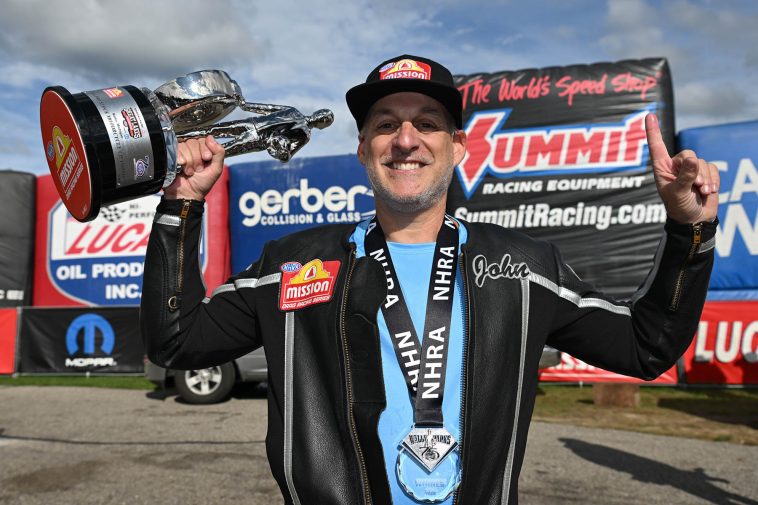
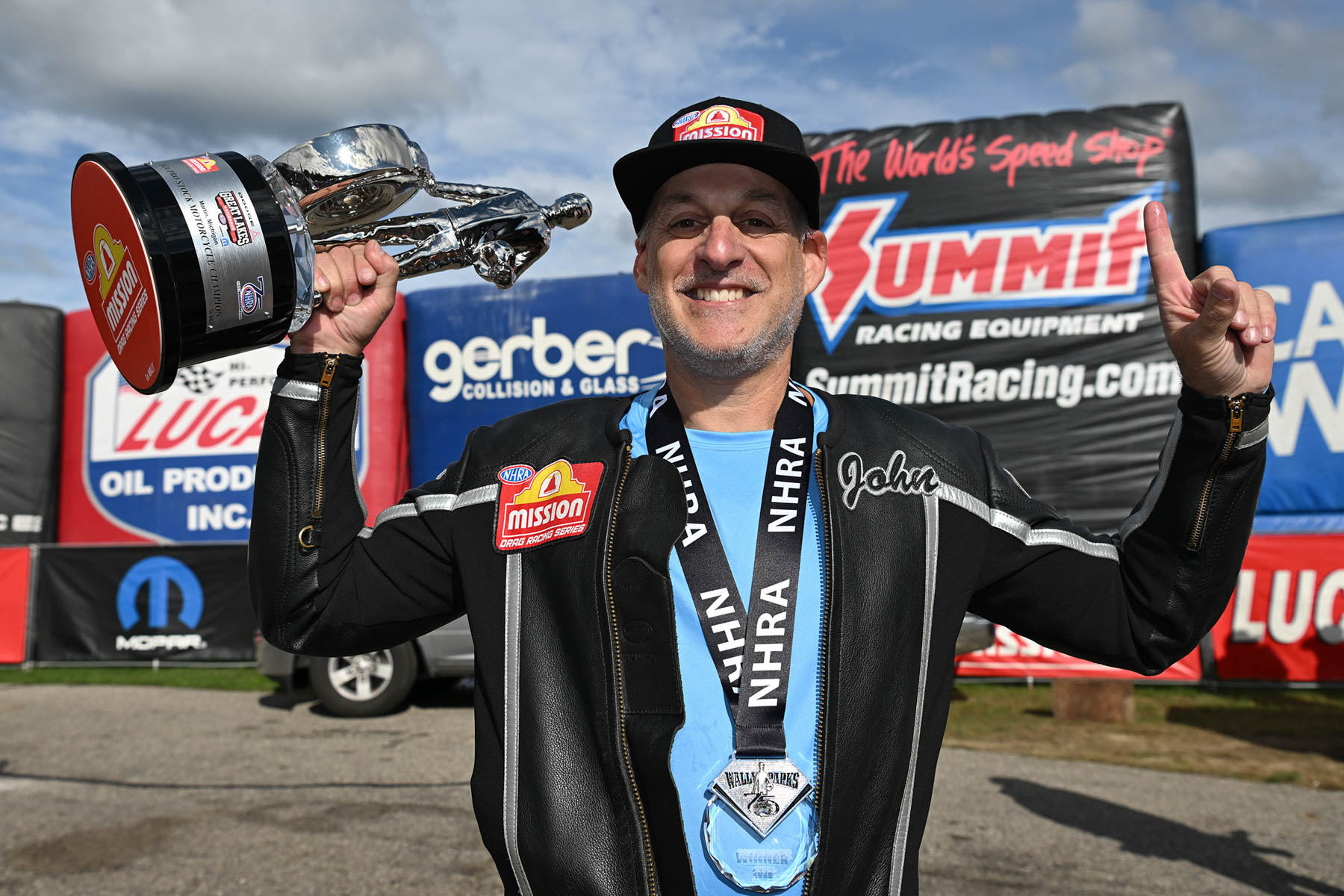
John Hall’s victory in the Pro Stock Motorcycle category is another inspiring tale from this weekend of racing. Despite admitting that he was ready to quit racing earlier in the event due to a string of rough rides, Hall’s performance in the inaugural Countdown to the Championship showcased the resilience that every racer must summon when facing life’s tricky parts.
Riding his Outlaw Beer Buell for Matt Smith Racing, Hall converted a potential low point into a moment of redemption by clocking a 6.808-second pass at 194.22 mph. His win came as a breath of fresh energy for both himself and his fans, proving that even in the face of overwhelming challenges, the will to persevere can lead to an inspiring resurgence.
Finding Yourself After a Setback
What makes Hall’s performance particularly significant is his commitment to bouncing back after hitting rock bottom in his racing career. Sometimes, even the most seasoned competitors can feel that the scales are tipped so heavily with negative thoughts that giving up might seem like the only option. However, Hall’s journey is a clear reminder that:
- Taking the wheel during trying times can bring out a new level of performance.
- Reaching back for confidence is a process that involves both self-belief and the support of a dedicated team.
- The personal stories behind each race can be as compelling as the technical numbers displayed on the boards.
Hall’s reflective comments on regaining his confidence and his straightforward approach of simply doing what he does best resonate deeply with anyone who has ever had to figure a path through a challenging time. His story isn’t just about drag racing; it’s about the human spirit and the ability to find your way back to doing what you love most even when the odds seem stacked against you.
Key Statistics and Standout Moments
Race Data: A Closer Look at the Numbers
For those who appreciate the nitty-gritty details of competitive racing, let’s break down the standout performances from each category using a clear, organized table. This allows us to see exactly how close each race was and what kind of numbers were recorded on the day.
| Category | Winner | Time and Speed | Defeated Opponent |
|---|---|---|---|
| Top Fuel | Shawn Langdon | 3.664 sec, 346.15 mph | Spencer Massey (3.764 sec, 327.75 mph) |
| Funny Car | Jordan Vandergriff (Chevy Camaro) | 3.858 sec, 329.43 mph | Matt Hagan (Dodge Charger) |
| Pro Stock | Troy Coughlin Jr. (Chevy Camaro) | 6.515 sec, 209.69 mph | Matt Hartford (Camaro, 6.527 sec, 208.14 mph) |
| Pro Stock Motorcycle | John Hall (Buell) | 6.808 sec, 194.22 mph | Marc Ingwersen (went red) |
This table serves as a quick reference for those who are passionate about the fine details of drag racing competitions. Each number, each speed, and every fraction-of-a-second difference speaks volumes about the strategies, adjustments, and intense focus that go into every race.
Cross-Category Excellence: Insights for the Modern Drag Racing Enthusiast
The Role of Adaptive Strategies in a High-Speed Arena
What truly stands out about this event is the adaptive strategies displayed by each team. In a world where the track is filled with confusing bits and complicated pieces, it’s fascinating to watch how teams work through fine shades of tactics and make essential adjustments at a moment’s notice. Whether it was fixing an issue during the early qualifying rounds or adjusting engine performance in real-time, every crew was pushed to its limits.
Among the most critical insights for current and aspiring drag racers are the importance of:
- Real-time troubleshooting: Quickly finding your way through unexpected mechanical quirks.
- Team communication: Keeping every crew member on the same page during nerve-racking moments.
- Adaptive strategies: Being flexible enough to pivot when conditions change unexpectedly.
- Confidence management: The psychological balance of knowing when to press on and when to recalibrate.
This emphasis on adaptive strategy is a reminder that outside of raw power alone, it’s the little twists in performance – the small distinctions made in the pit and on the track – that often dictate the outcome of the race. The ability to manage your way through tricky parts, whether they’re tangled issues with machinery or subtle timing differences, is a transferable lesson for anyone interested in fast-paced sports.
Equipment and Technology: Partnering with Precision
There is no denying that modern drag racing benefits enormously from technological innovations. The performance improvements seen in vehicles like the Kalitta Air dragster and specialized Funny Car models underscore how collaboration between human talent and advanced engineering can lead to electrifying outcomes.
In every race, the technology isn’t just a fancy add-on. Instead, it is a partner in every successful pass. When engineers and mechanics know their way around the hidden complexities of their machines, they transform what might seem like a nerve-wracking challenge into a carefully orchestrated performance. Highlighting the role of technology in this event, we can identify some key areas that have a direct effect on the outcome:
- Engine tuning: Fine adjustments that yield measurable improvements in acceleration and top speed.
- Aerodynamics: The subtle twists in the design of each vehicle help reduce drag and improve stability.
- Data Analysis: Real-time data collection allows the teams to figure a path through performance issues almost instantaneously.
- Material Science: Advances that ensure components withstand the nerve-racking shifts in heat and speed.
Each of these areas plays a super important role in turning technology into a reliable partner on the track. As teams continue to innovate, the sport promises not only faster speeds but also smarter strategies – where every member, from pit crew to driver, is armed with both the experience to manage the course and the state-of-the-art tools to make it happen.
Event Legacy and Future Prospects
A Historic Return to U.S. 131 Motorsports Park
The decision to return to U.S. 131 Motorsports Park after a long hiatus was a bold one, signaling a renewed commitment to both tradition and innovation in the world of drag racing. This track – replete with history and character – provided a dramatic setting that elevated every moment of the NHRA Great Lakes Nationals to a higher level of experience.
Not only did the venue host record-breaking performances, but it also showcased the connection between heritage and cutting-edge performance. The track itself, maintained with pride and a dedication to excellence, allowed competitors to achieve precision runs and push their vehicles to the very limits of what current technology can offer.
This return to a historic site also sets the stage for future events. When a venue that carries so much history merges with the latest strategies and technological innovations, the result is not simply a race – it’s a celebration of the sport’s journey, innovation, and the relentless pursuit of speed.
Looking Ahead: The Future of Drag Racing Competitions
The performances witnessed at the Great Lakes Nationals are not just wins for individual drivers; they are signals of where drag racing is headed. With teams continuously adjusting to the forcing changes in racing conditions and with increasingly essential technological advancements coming into play, the sport is evolving quickly.
Here’s what the future might hold in the light of these breakthrough performances:
- Increased emphasis on real-time analytics: Data-driven decision-making during races will become increasingly common for fine-tuning performance.
- More dynamic race strategies: Teams will likely experiment more with adaptive methods, quickly reacting to shifting conditions and unexpected events.
- Enhanced safety protocols: Emphasis on safety will increase as vehicles reach blistering speeds, ensuring that both competitors and teams are well-equipped to handle any nerve-wracking moments.
- Greater fan engagement: With social media and live-streaming, fans can now experience the subtle details and slight differences in performance up close, making the sport more relatable and engaging.
All these promising developments point to a future where every race is not only about winning but about pushing the boundaries of what is possible. In a sport where every millisecond counts and every decision impacts the outcome, the blend of heritage, technology, and sheer determination promises some truly exciting times ahead.
The Human Element: Stories Beyond the Track
Personal Triumphs and the Spirit of the Sport
Behind the roaring engines and high-speed passes lie the deeply personal stories of every driver and crew member. The victories not only serve as testament to carefully honed engineering and split-second decision making but also as celebrations of human resilience, determination, and a passion for something greater than oneself.
Take, for example, John Hall’s candid admission of nearly giving up. His story is a reminder that the path to success is often riddled with moments of self-doubt and personal challenges. However, when passion meets perseverance, these nerve-racking periods transform into defining moments of artistic and athletic brilliance. Every driver faces tangled issues along the way – from mechanical failures to mental blocks – but it is their ability to pick themselves up and keep pushing that provides a truly inspiring narrative for fans worldwide.
Community, Tradition, and the Call of the Open Track
Drag racing, much like any other popular sport, thrives on community and tradition. Whether it’s the long-time enthusiasts who have witnessed the evolution of the sport or the new generation of drivers eager to carve their own paths, the atmosphere at these events is electric and laden with history. The NHRA Great Lakes Nationals, held at such a storied venue, underscores how tradition and modernity can come together to create something truly special.
The sense of community at these events is palpable. It’s about the shared moments in the pit, the collective celebration after a hard-fought victory, and even the friendly rivalry that pushes every competitor to excel. The personal exchanges among drivers, crew members, and fans paint a picture of a sport that does more than just dazzle with speeds – it builds lasting relationships and brings together individuals who are passionate about the same dream.
Lessons Learned: Strategies for Success in Competitive Racing
Decoding the Recipe: Hard Work, Technology, and Course Correction
At its core, the success at the NHRA Great Lakes Nationals can be attributed to three key factors: hard work, technical expertise, and the ability to course correct when faced with overwhelming challenges. Whether it was Langdon’s record-breaking performance, Vandergriff’s comeback from a late qualifying spot, or Coughlin’s end to a winless streak, each story provides insight into what it takes to succeed in a sport where every tiny adjustment matters.
For enthusiasts looking to pick apart the subtle details behind these victories, here are several elements that played a super important role:
- Meticulous preparation: Every team spends countless hours refining their vehicle settings and ensuring that all aspects are fine-tuned for optimal performance. This means being ready to figure a path through even the most intimidating, nerve-racking moments.
- Real-time problem-solving: Quick thinking and fast adjustments are a must when conditions change rapidly. Teams that can diagnose and fix issues while under the pressure of a race gain a significant advantage over their competitors.
- Adaptability: The ability to change strategies after each run, based on new data and evolving conditions, is a skill that separates the winners from the rest.
- Team cohesion: When the driver and crew work in perfect harmony, every strategy becomes more effective, and every challenge becomes easier to manage.
These strategies are not only applicable to the racetrack but also provide valuable lessons for those in any high-stress environment. Whether in competitive sports or other fast-paced fields, working through the confusing bits and figuring a path through the tangled issues is what ultimately leads to success.
Embracing the Open Road: Inspirations for Future Racers
The essence of drag racing lies not just in the numbers and records but in the stories of perseverance, adaptability, and pure competitive spirit. The NHRA Great Lakes Nationals served as a vivid reminder that no matter how overwhelming the challenges may seem, every setback is an opportunity to learn, grow, and eventually triumph over adversity.
For young racers and aspiring professionals, the lessons are clear:
- Never be discouraged by early failures or nerve-racking setbacks.
- Invest time in learning every fine detail of your equipment and environment.
- Remember that every challenge, no matter how intimidating, hides an opportunity for improvement.
- Trust in the collective effort of your team – sometimes the solution lies in the hidden complexities that only a well-coordinated group can resolve.
These takeaways remind us that success in drag racing – as in life – is seldom about a single moment of brilliance but rather about the cumulative effect of every carefully executed run, every strategic adjustment, and every lesson learned along the way.
Final Thoughts: Celebrating a Historic Achievement
The Legacy of the NHRA Great Lakes Nationals
This groundbreaking event at U.S. 131 Motorsports Park is more than just a series of high-octane races – it’s a celebration of history, innovation, and the enduring human spirit. The record shattering passes, dramatic turnarounds, and personal comebacks encapsulate the enduring ethos of the sport: never backing down, even when the challenges are overwhelming and the track is full of confusing bits.
Each victory by drivers like Shawn Langdon, Jordan Vandergriff, Troy Coughlin Jr., and John Hall serves as a testament to what can be achieved when passion meets preparation and when every team member is ready to steer through the twists and turns of competition. Their stories provide not only metrics for success in terms of speed and time but also powerful narratives about personal resilience and the importance of pushing boundaries.
Taking the Wheel and Charging Forward
In reflecting on the day’s events, one is drawn to the idea that drag racing is as much about the heart as it is about horsepower. The discipline, focus, and unwavering dedication witnessed were not just confined to the race track – they resonated with every individual who has ever dared to dream big and take control of their destiny. In embracing every challenge, whether it’s a minor technical glitch or a significant personal setback, these racers have shown that preparation, teamwork, and continual learning remain key to victory.
As we look to the future of drag racing, one thing is clear: the sport is entering a new era where technology, human grit, and a commitment to overcoming every tricky part and complicated piece will continue to drive innovation. Fans and aspiring drivers alike can find inspiration in the fusion of tradition and modern strategy that is breathing new life into every drag strip, every run, and every team formation.
In Conclusion: A Celebration of Speed and Spirit
Reflecting on a Milestone Weekend
The NHRA Great Lakes Nationals stands as a milestone in the annals of drag racing – a weekend that encapsulated the perfect blend of sheer speed, high-octane passion, and the relentless drive to beat the limits of what’s possible. By overcoming tangled issues with determination and working through the nerve-racking moments on the track, the competitors have set a high benchmark for future events.
For those of us who have always championed the sport, this event reaffirms that drag racing is not merely a contest of speed but a compelling narrative of human ambition. Every run, every win, and every strategic call is a chapter in a larger story – one where history, teamwork, and innovative thinking intersect to create moments that will be remembered for years to come.
Embracing the Future with Open Arms
As we celebrate the successes from this historic event, we also look eagerly toward what the future holds. With technology pushing the boundaries of performance, strategies evolving through real-time analytics, and the human element shining through every decision, the road ahead is filled with promise and endless potential.
Whether you’re a diehard fan of Top Fuel, an admirer of the resilience in Funny Car, or someone who finds inspiration in the comeback stories from Pro Stock and Pro Stock Motorcycle, the message is clear: perseverance and passion win the day. This event serves as a rallying cry for everyone who loves the sport – a reminder that no matter how daunting the challenge, success is always within reach if you’re willing to take the wheel and work through every twist and turn.
Key Takeaways for Racing Enthusiasts
Before concluding, let’s recap some essential lessons from the Great Lakes Nationals:
- Preparation is key: Whether it’s engine tuning or real-time problem-solving, every fine detail counts.
- Teamwork matters: The collaborative effort between driver and crew can turn nerve-racking challenges into record-setting triumphs.
- Adaptability wins: Success often lies in the ability to quickly address tangled issues and adjust strategies on the fly.
- Embrace setbacks: Every temporary defeat is a chance to learn, improve, and surge forward with renewed determination.
In celebrating these takeaways, we also honor the spirit of innovation and community that defines drag racing. The Great Lakes Nationals is not just an event on the calendar – it’s a touchstone that will inspire strategies and performances for many seasons to come.
Final Reflections
In closing, the first NHRA Great Lakes Nationals presented a fusion of speed, strategy, and human resilience that leaves a lasting impact on the world of drag racing. With record-breaking acts and dramatic comebacks, the event encapsulated the essence of a sport that challenges both machines and minds alike. The stories of Shawn Langdon, Jordan Vandergriff, Troy Coughlin Jr., and John Hall will be remembered as emblematic of a spirit that thrives on overcoming every tricky part and complicated piece along the way.
It is my hope that as the sport continues to evolve, the lessons learned and the memories forged at U.S. 131 Motorsports Park will serve as a beacon for future racers – a call to harness every bit of passion, grit, and teamwork required to master the challenges that lie ahead. For every enthusiast eager to dive in and experience the excitement of the track, the Great Lakes Nationals is a powerful reminder that the journey, with all its twists, turns, and small distinctions, is as thrilling as victory itself.
So here’s to the racers, the crew, and the fans – to every driver who dares to push the envelope and every team member who helps pave the way. Let this event be a testament to what can be achieved when history and modern innovation merge, and let it inspire all of us to keep our eyes on the road ahead, ready to take on the next high-speed challenge.
Originally Post From https://www.dragzine.com/event-coverage/nhra-ihra/langdon-vandergriff-coughlin-and-hall-win-inaugural-nhra-great-lakes-nationals/
Read more about this topic at
346.96 MPH! Shawn Langdon resets the national speed record
Record it! :: Screen Recorder – App Store