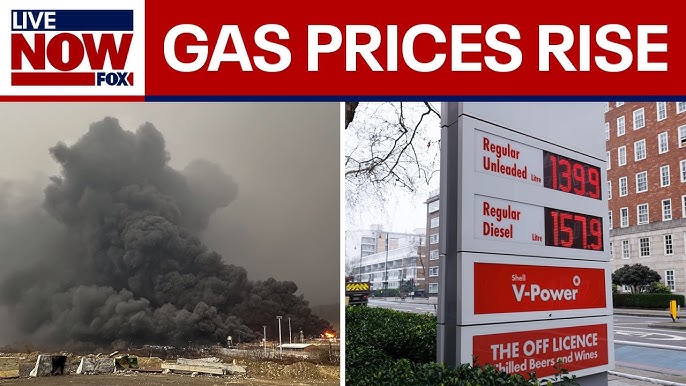

Gas Price Surge Amid Global Tensions
In recent weeks, we have seen gas prices on the rise once again. The constantly evolving global situation, particularly the ongoing conflict involving Iran, has left many feeling that the current market conditions are not only unpredictable but also full of problems. As gas prices inch upward, drivers across the nation are bracing for yet another double-digit percentage increase, leaving many to wonder what the future holds for gasoline and diesel costs.
Taking a closer look, industry experts are pointing out that the rising costs are not evenly spread across the country. States in the interior—such as those in the Plains, Great Lakes, and parts of the Rocky Mountains—may be hit even harder as the recent surge in wholesale expenses has not yet been fully reflected at the pump. The situation, while not entirely unprecedented, remains nerve-racking, and a thorough understanding of the current conditions is key.
The Influence of the Iran Conflict on Global Oil Flows
One of the main drivers of these recent price hikes is the tense standoff between Iran and the United States, which has triggered fears of prolonged disruptions in global oil supply. With about 20% of world oil flowing through the strategic Strait of Hormuz, any further instability in the region creates a ripple effect that impacts fuel costs worldwide. Analysts are now noting that unless the critical shipping route reopens without delays, further price increases are to be expected.
The communication coming from both sides has been filled with strong rhetoric and bold ultimatums. For instance, the revelation from U.S. leadership that the country may consider aggressive military action—if a deal to reopen the Strait of Hormuz is not reached—adds a layer of uncertainty that the market finds hard to ignore. With every escalation, the pressure builds on global oil flows, making the fine points of international diplomacy seem even more tangled and challenging.
Strategies to Secure the Strait of Hormuz
Recent developments have prompted several countries, including Egypt, Pakistan, and Turkey, to propose a tentative ceasefire and terms for reopening the strait. Although the proposal—a 45-day pause—aims to calm the tension and ensure safe passage for oil tankers, the situation remains on edge. The proposal holds that Iran would reopen the strait only after receiving compensation for war damage, which would be partly funded through a new transit toll.
In the meantime, the oil futures market is keeping a close watch on any headlines that hint at either easing tensions or further escalation. For many, this ongoing standoff not only complicates the present but could also reshape future global supply chains, making the situation both confusing and intimidating.
Dissecting the Price Impact on Inland Regions
While it is clear that global events are largely driving current fuel costs, the impact is not uniform across the United States. Inland states, particularly those in the Plains, Great Lakes, and Rocky regions, are experiencing sharper increases than their coastal counterparts. This uneven distribution of price hikes raises a number of issues for both consumers and businesses.
Key Factors Affecting Inland Gas Prices
- Wholesale Cost Delays – Many inland distributors are still adjusting to recent wholesale surges.
- Logistical Challenges – Getting fuel to remote or less accessible areas always involves tangled issues in transportation and storage.
- Market Sensitivity – Smaller markets tend to react more intensely to any price fluctuation, causing a disproportionate impact.
Because of such factors, drivers in these regions are hit with prices that can reach anywhere between $4.20 and $4.35 per gallon—prices that, while not astronomical by historical standards, are a hefty burden for daily commuting and long-distance transportation alike.
Table: Comparative Analysis of Recent Fuel Price Trends
| Region | Average Gas Price (per gallon) | Recent Change | Notes |
|---|---|---|---|
| Plains | $4.25 | Double-digit rise expected | Delayed wholesale cost impact |
| Great Lakes | $4.30 | Sharp increases noted | Higher logistic expenses |
| Rocky Regions | $4.35 | Recent surge contributing | Market sensitivity is high |
This table sheds light on the varying experiences across different regions. The inland areas are not just coping with the direct effects of the increased wholesale costs but are also contending with additional challenges such as transportation hurdles and storage issues—all of which contribute to the overall price increase.
Diesel Dynamics and the Surge in Diesel Costs
It is not just gasoline prices that are climbing. Diesel, an essential fuel for many commercial transport and agricultural activities, is also undergoing a steep climb. Over the past week, diesel prices have jumped by over 20 cents per gallon, reaching figures alarmingly close to record levels. For sectors that rely heavily on diesel—such as long-haul trucking, farming, and construction—this is a development that brings with it a set of intimidating challenges.
Implications for Key Sectors
In an environment where every cent of fuel cost translates directly to operational expenses, the sudden surge in diesel prices can have a cascading impact on the economy. Consider the following sectors:
- Trucking – Increased fuel costs directly affect transportation costs, which in turn can elevate the prices of goods.
- Agriculture – Farmers who depend on diesel for running machinery might see a spike in operational costs, adding to their burdens.
- Construction – Equipment and machinery that rely on diesel operate less cost-effectively when fuel becomes expensive.
Each of these sectors is contending with its own set of tricky parts. For instance, the increased diesel prices may force businesses to either absorb the higher costs or pass them on to consumers, potentially resulting in inflationary pressure across the broader U.S. economy.
Economic Implications and the Broader Picture
The current scenario is a classic example of how seemingly small disruptions in one part of the world can have far-reaching consequences back home. The surging gas and diesel prices are not just numbers on the pump—they are indicators of larger economic challenges that we must address. From the ripple effects on local businesses to wider implications for the national economy, the situation remains one that is both complicated and critical.
How Fuel Price Changes Affect the Economy
When energy prices rise, the overall cost of living tends to follow suit. Consumers may find that everything from grocery bills to shipping charges eventually carries a hint of these higher fuel costs. Here are some key ways the economy is being affected:
- Inflation Pressure – As fuel costs increase, industries pass these expenses on, contributing to rising prices for everyday goods.
- Supply Chain Disruptions – Higher fuel prices can lead to delays and disruptions in the supply chain, further complicating market dynamics.
- Increased Transportation Costs – For both businesses and individuals, the expenses associated with commuting and goods movement skyrocket with every cent increase at the pump.
Although these factors might seem overwhelming, they also open the door to discussions on how to better manage energy usage and explore alternative solutions. For example, some consumers are now considering electric vehicles as a way to avoid the pitfalls of volatile fuel prices—a discussion that is gaining momentum across the nation.
Table: Economic Impacts of Rising Fuel Prices
| Economic Sector | Impact | Potential Consequence |
|---|---|---|
| Household Spending | Increased fuel bills | Reduced disposable income |
| Retail | Higher transportation costs | Elevated product prices |
| Manufacturing | Supply chain delays | Production slowdowns |
| Transportation | Rising diesel costs | Increased logistics expenses |
This analysis shows that the seemingly isolated issue of fuel price hikes is intertwined with our everyday lives. The extra dollars spent at the gas station eventually become part of broader economic trends, affecting everything from family budgets to corporate profit margins.
Political and Diplomatic Maneuvers: The Role of Policy
One of the most charged aspects of the current environment is the political and diplomatic response to these escalating tensions. With President Trump setting a hard deadline for Iran to reopen the Strait of Hormuz, the stakes have become incredibly high. The rhetoric from the highest levels of government, which includes strong statements about retaliatory measures, adds another layer to an already complicated picture.
Historic Diplomatic Challenges and Modern Reactions
The current dispute is not just about fuel—it is about global influence and the control of key international trade routes. With several countries watching closely, the decisions made in Washington, D.C. carry massive weight. Recently, key officials, including those from major financial institutions like JPMorgan Chase, have cautioned that the broader hostilities in the Middle East might lead to lasting shocks in oil and commodity prices.
Political leaders and energy analysts have spent considerable time trying to sort out the best strategies to ease the mounting tensions while keeping global oil flows as smooth as possible. Below are some of the core challenges:
- Ensuring uninterrupted oil flow through the Strait of Hormuz
- Managing the economic fallout from both rising fuel costs and potential military engagements
- Balancing aggressive domestic energy policies with the demands of international diplomacy
These issues represent the little details and subtle parts of a much larger puzzle. Every decision made in this high-stakes game has the potential to send shockwaves not only through financial markets but also through the daily lives of millions of people.
Policy Responses and the Search for Stability
Governments and policy makers are now faced with the task of figuring a path through these tense times. There are calls for robust dialogue with global partners, and some advocates are pushing for a more measured approach that involves both military strategy and diplomatic efforts.
One proposal that has been discussed involves strengthening engagement with allied nations to ensure that fuel supplies remain uninterrupted even if tensions escalate further in the Middle East. The idea is to create a framework that eases the stress on oil-dependent economies, which could help stabilize prices in the long run. Such measures, if implemented effectively, might put us on a more secure footing as we face the unpredictable twists and turns of international politics.
Consumer Strategies for Coping with Rising Fuel Prices
As fuel costs spiral upwards, many Americans are wondering how they can manage the sudden increase. While prices at the pump affect the entire economy, consumers do have some strategies that can help mitigate the financial impact. For drivers and families alike, every bit of cost-saving can make a difference.
Practical Steps to Reduce Fuel Expenses
Below are some practical tips that can help individuals cope with rising fuel prices:
- Carpooling and ridesharing options: Sharing transportation costs with colleagues or friends can ease the burden on your wallet.
- Planning efficient routes: Use GPS and real-time traffic updates to minimize unnecessary mileage and avoid heavy congestion.
- Regular vehicle maintenance: Keeping your car in top condition can improve fuel efficiency and reduce overall consumption.
- Consider alternate transportation: Whenever possible, switching to public transit, biking, or walking can be a great way to save money.
- Exploring fuel reward programs: Many gas stations offer loyalty programs that can help decrease the cost per gallon with regular purchases.
These are small distinctions that, when applied consistently, create noticeable savings over time. In a climate where every cent counts, such proactive strategies are not just a recommendation—they are essential.
Exploring Alternative Energy Sources
The current environment has also pushed a number of consumers to consider alternatives to traditional gasoline-powered vehicles. Electric vehicles (EVs), while requiring a larger upfront investment, promise lower fuel and maintenance costs in the long run. The adoption of EVs has been steadily increasing as more drivers look for ways to avoid the fluctuations of the oil market.
In addition to EVs, other clean energy initiatives and technological innovations in transportation are being discussed as ways to lessen our reliance on volatile fossil fuels. These measures include:
- Enhanced public transportation systems that are more energy efficient
- Infrastructure improvements that support electric and hybrid vehicles
- Government incentives for consumers who invest in renewable energy options
While the shift away from fossil fuels may be gradual, it represents a long-term solution to the current problem of unpredictable fuel costs. The conversation is ongoing, and with proper investment and policy support, we could see a more stable and sustainable energy future.
Looking Ahead: The Road to Economic Resilience
The coming months are likely to provide more clarity—but also more challenges. As negotiations continue and international players make their moves, market watchers remain alert to every development. While the future is, in many respects, uncertain, what is clear is that the changes we are witnessing today will have long-lasting impacts on our economy and everyday lives.
For policymakers, the challenge lies in finding a balance between immediate reactive measures and long-term strategic planning. Here are some areas to consider as we look ahead:
- Energy Diversification: Pushing for a broader mix of energy sources can reduce the risk of future supply shocks.
- International Diplomacy: Establishing strong diplomatic channels and contingency plans can help smooth over potential disruptions before they escalate.
- Consumer Support Programs: Offering subsidies or rebates during times of price volatility can help ease the financial pressure on households.
Each of these strategies involves its own set of tricky parts and subtle details, requiring a well-thought-out and coordinated effort by both government and industry stakeholders. Only by working together can we hope to steer through these challenging times.
The Importance of Staying Informed
In times of rapid change and uncertainty, it is crucial for everyone—from policymakers to everyday consumers—to stay informed. The current fuels price hikes and ongoing international tensions highlight the importance of having access to real-time, accurate information. Whether you are a driver trying to budget for your weekly commute or a business owner assessing your operational costs, understanding the underlying issues is key.
Reliable and timely news sources can play a pivotal role in keeping us updated on developments that may impact our lives. In addition, fostering a well-informed public debate not only encourages responsible policy decisions but also helps us collectively figure a path through these challenging economic shifts.
Reflections on the Interconnected World of Energy and Economy
The interconnected nature of global events means that what happens in one corner of the world can have repercussions halfway across the planet. The current scenario—marked by geopolitical tensions, erratic fuel price increases, and the intricate balancing act required by governments—serves as a potent reminder of our collective vulnerability in the face of international challenges.
It is noteworthy that while price hikes may be alarming on the surface, there is also a silver lining. The situation forces us to reevaluate our energy usage, consider alternative sources of power, and adopt smarter, more efficient practices in our daily lives. In a way, these challenging times might serve as a catalyst for positive changes in how we view and manage our energy consumption.
How Industries Can Adapt and Innovate
For industries that rely heavily on fuel, adaptation is not optional—it is a necessity. Companies are now exploring multiple avenues to cope with rising costs:
- Investing in fuel-efficient technologies and machinery
- Developing innovative logistics solutions that minimize mileage and fuel consumption
- Exploring partnerships with alternative energy providers
By embracing these strategies, industries can reduce their over-dependence on traditional fossil fuels. This not only helps manage costs in the short term but also positions companies for a more sustainable future in an evolving energy landscape.
Government Initiatives and Future Prospects
Government agencies, too, are aware of the need to intervene and offer support during these times. From adjusting fuel tax policies to incentivize alternative energy investments, policymakers have several tools at their disposal. Let’s consider some initiatives that could help address current challenges:
- Subsidies for renewable energy projects that promise long-term savings and reduced emissions
- Tax breaks for companies that invest in fuel-saving technologies
- Enhanced research and development funding for cleaner, more efficient energy systems
These initiatives are, in many ways, key expressions of a proactive approach to the current crisis. They embody the hope that even in the face of intimidating challenges, smart policies and collective efforts can eventually lead to a more stable and sustainable economic environment.
Final Thoughts: Adapting to a Changing World
As we watch the global landscape shift—marked by increasing fuel costs, intensified international debates, and widespread economic adjustments—one thing becomes clear: the current energy crisis is much more than just a temporary setback. It is a wake-up call for both consumers and policymakers to rethink how we approach energy consumption and economic resilience.
Driving forward, the collective challenge is to find your way through these nerve-racking times. Whether that means embracing new technologies, rethinking international diplomacy, or simply altering everyday habits such as carpooling, each step we take collectively contributes to a larger goal of reducing vulnerability to future shocks.
In a world where every decision and every headline can have cascading effects, staying informed and adapting quickly is super important. The conversation around energy and economy is evolving fast, and it is up to every one of us—governments, industries, and consumers alike—to figure a path that leads to stability and prosperity, even when the path is full of confusing bits and tangled issues.
Key Takeaways and Action Points
- Understand Global Impacts: Recognize that international tensions, particularly in volatile regions like the Strait of Hormuz, have direct consequences on local fuel prices.
- Plan Smartly Locally: For inland states, be aware of the specific challenges related to transportation logistics and delayed wholesale pass-throughs.
- Embrace Change: Whether it’s adopting fuel-efficient practices or investing in cleaner energy alternatives such as EVs, small changes can collectively have a big impact.
- Stay Updated: Keep a close watch on the latest news and policy measures that affect both fuel costs and broader economic trends.
- Support Forward-Looking Policies: Advocate for initiatives that promote energy diversification and sustainable economic practices.
In conclusion, while the current economic landscape is undeniably filled with troubling twists and turns, it also offers an opportunity for reinvention and adaptation. By taking a closer look at both the immediate details and the broader picture, we can better understand how to make informed decisions during these tense times. The road ahead may be bumpy and disruptive, but with collective effort and careful planning, we can steer through these challenges and emerge stronger on the other side.
Ultimately, the situation with rising gas and diesel prices, triggered by unresolved international conflicts and local market dynamics, underscores the importance of resilience and adaptability. It is a reminder that every increase in fuel cost is more than just a number—it is a signal that requires us to think strategically about the future of our energy consumption and economic policies.
As we continue to monitor the developments in the Middle East and their ripple effects on domestic markets, it remains clear that a multi-pronged approach is needed. This involves not only immediate cost-saving measures at the local level but also long-term investments in stable and sustainable energy solutions that can safeguard our future against similar shocks.
With all the challenges in view, one must ask: What will be our next steps in a world where the stability of fuel costs—and by extension, so many aspects of our daily lives—remains on such a precarious balance? The answer lies in a willingness to adapt, a readiness to adopt new technologies, and a unified effort by all sectors of the economy to minimize the impact of these ongoing, tension-filled times.
From both a macroeconomic and a personal perspective, the journey ahead is full of both challenges and opportunities. Let us take the necessary steps to ensure that we are not only prepared for the immediate impacts of rising fuel prices but are also paving the way for a more resilient, diversified, and sustainable energy future.
Originally Post From https://spectrumlocalnews.com/us/snplus/politics/2026/04/06/gas-price-increases-week-of-april-6
Read more about this topic at
U.S. gas prices hit $4 per gallon as fuel prices surge due …
A Permanent Price Surge? Inside the Relentless Rise of …
