Great Lakes Climate Corps: A Summer Field Season of Environmental Transformation
The Great Lakes Climate Corps (GLCC) has launched its summer field season with a burst of energy and enthusiasm, marking a pivotal moment for both environmental revitalization and the nurturing of future careers in habitat conservation. This summer initiative presents an opportunity to work through the intricate, albeit sometimes tricky parts of real-world environmental projects while laying the groundwork for a cleaner, more sustainable future in the Upper Peninsula.
In this op-ed, we take a closer look at the summer field season’s objectives, highlighting projects such as the restoration of a mile-long coastline along Lake Superior and the ambitious tree-planting drive aimed at greening Marquette County. We will also explore the personal journeys of participants, like Northern Michigan University student Abby Martin, who are ready to dig into the nitty-gritty of environmental work, forge lasting memories, and build a solid foundation for future environmental careers.
Environmental Stewardship: Restoring Our Natural Heritage
The GLCC’s commitment to preserving our natural surroundings is evident in its practical projects. By focusing on restoring a damaged stretch of Lake Superior’s coastline and planting 100,000 trees, the Corps is not only addressing immediate environmental concerns but is also contributing to long-term ecological stability. These projects stand as testament to what can be achieved when dedicated individuals harness their passion to make a tangible difference.
Revitalizing the Lake Superior Coastline
One of the GLCC’s flagship projects involves working on the restoration of a mile-long stretch of coastline along Lake Superior. The undertaking is no simple feat. Restorative efforts demand a keen sense of responsibility and the energy to tackle the twists and turns of a project that is both physically demanding and scientifically challenging. The coastline restoration addresses several intertwined issues:
- Coastal erosion and its economic impact on local communities
- The need for sustainable practices to bolster natural defenses
- Enhancing the biodiversity of the area by reintroducing native flora
Each task encapsulates not only the physical labor and strategic planning required but also the delicate balancing act between human intervention and nature’s inherent healing processes. By focusing on these subtle details, the GLCC’s efforts aim to ensure that once-battered coastal areas transform into resilient ecosystems.
Breathing New Life: The Ambition of Planting 100,000 Trees
Another critical component of the summer field season is the ambitious plan to plant 100,000 trees across Marquette County. Forests play a key role in combating climate change by sequestering carbon dioxide, conserving soil, and fostering biodiversity. Planting such a vast number of trees is no off-putting challenge—it is a nerve-racking but essential project that promises to yield significant rewards over time.
This initiative is designed to create a living legacy that will blossom in the years ahead, providing shade, improving air quality, and contributing to the local economy in myriad ways. It also serves as a hands-on learning experience for participants eager to find their way in the environmental field. While the process might seem intimidating at the outset, the benefits and satisfaction derived from contributing to the natural beauty of the region are immeasurable.
Building Environmental Careers Through Experiential Learning
For many emerging environmental professionals, the GLCC summer field season represents a real-world classroom. As GLCC Manager Tyler Penrod explains, the initiative is not solely about repairing nature—it is also a springboard where participants gain critical experience that paves their way for future roles in environmental management. By working through a range of challenging yet rewarding tasks, crew members are exposed to the subtle parts of environmental work that textbooks often fail to capture.
Real-World Experience: From Trailblazing to Restoration
Take, for instance, the work of Northern Michigan University student Abby Martin. For Abby, the summer field season in the Upper Peninsula is a first, an exciting opportunity to escape the urban bustle of downstate life and immerse herself in nature. Her role in building and maintaining trails within Ottawa National Forest is a testament to the program’s emphasis on tangible, hands-on learning.
Abby’s experience highlights several key benefits of such experiential learning:
- Opportunities to acquire both practical skills and leadership qualities
- A collaborative environment that encourages teamwork and creative problem-solving
- The chance to see the immediate impact of one’s hard work on nature and the local community
These benefits, though sometimes seen as the small distinctions between mere participation and true educational enrichment, are the subtle twists that bear long-term significance. Every participant gets to take a closer look at the ways in which environmental science, public policy, and local activism are intertwined—offering a unique career springboard.
Training and Mentorship: The Backbone of GLCC’s Success
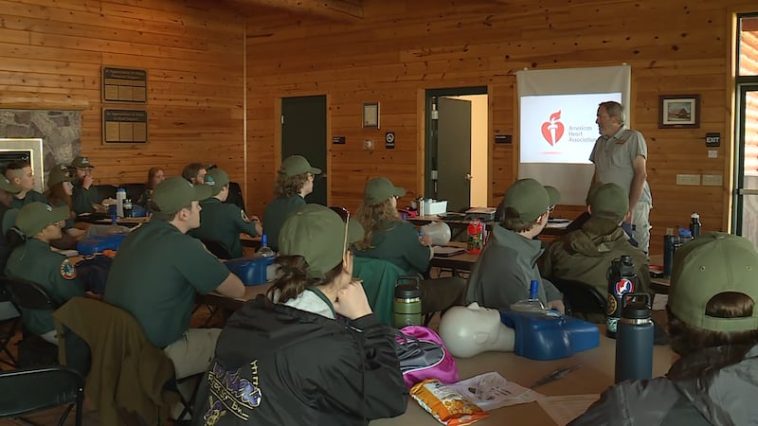
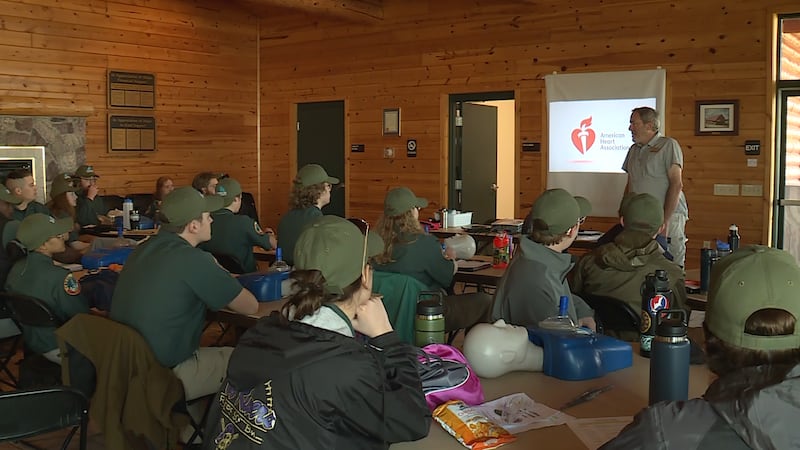
The GLCC training program is not merely about physical labor; it’s a comprehensive journey that pairs theoretical lessons with real-world application. The experience to be gained is critical for those who plan to venture into environmental careers, where the challenges can be as overwhelming as they are promising. In many respects, the training enables participants to manage their way through the complicated pieces of ecosystem restoration while also providing a supportive environment brimming with mentors and experienced professionals.
Consider the following aspects of the training program that illustrate its broad scope and depth:
| Training Element | Description |
|---|---|
| Hands-On Workshops | Practical sessions where crew members learn soil restoration, native species identification, and sustainable planting techniques. |
| Team Building Exercises | Collaborative tasks designed to build trust, refine communication skills, and foster a sense of community ownership of the project. |
| Field Mentorship | Experienced environmentalists guide crew members through real-life challenges, offering insights into small distinctions of terrain management and coastal repair. |
| Safety and Environmental Workshops | Sessions focused on the safe use of tools, understanding local ecosystems, and the nerve-racking safety protocols required in the field. |
This multi-faceted approach ensures that the training is as engaging as it is informative, bridging the gap between academic learning and practical application. It illustrates just how deeply the GLCC is invested in not only preserving natural habitats but also in nurturing the next generation of environmental stewards.
Local Community Impact: A Partnership with Nature
Beyond the immediate goals of environmental repair, the GLCC summer program plays a crucial role in bolstering community spirit and resilience. The projects undertaken by the corps are inherently community-driven, with local residents and organizations frequently contributing their knowledge and resources. This cooperative framework not only enhances the scope of the projects but also creates a model of collaboration that other regions can emulate.
Enhancing Local Tourism and Recreation
The restoration of natural landscapes in Marquette County is intricately linked to local tourism and recreation. Improved trails in Ottawa National Forest and revitalized shorelines along Lake Superior create opportunities for eco-tourism, which can help energize the local economy. As communities come together to support these efforts, the benefits are manifold:
- Increased visitor engagement with the natural beauty of the area
- Boosted local business through eco-tourism and recreational activities
- Enhanced community pride by showcasing sustainable and accessible outdoor spaces
By addressing these fine points, the GLCC projects offer a dual benefit: they not only enrich the environment but also serve as an attractive backdrop for local gatherings, events, and tourism initiatives. This integrated approach helps the Upper Peninsula stand out as a compelling destination for travelers who appreciate the outdoors and conservation efforts alike.
Community Resilience Through Environmental Action
The efforts of the GLCC extend beyond physical restoration; they also contribute to the building of a resilient community that is ready to handle future environmental challenges. Restoration projects tackle issues that are sometimes tricky to unpack—ranging from balancing local ecological needs to managing riverbank stability and coastal health. By reinforcing local ecosystems, these projects lay a foundation that can withstand the unpredictable effects of climate change.
Community-based restoration projects involve three key aspects:
- Educating local volunteers on sustainable practices
- Engaging community leaders in environmental planning sessions
- Fostering partnerships with local businesses for resource mobilization
Together, these elements create a network of support that ensures the long-term success of environmental projects in the region. This collaborative model is both a testament to the commitment of the GLCC and a blueprint for how environmental initiatives can cultivate stronger, more united communities.
Facing the Challenges: Overcoming the Tricky Parts of Field Work
The field season is not without its tricky parts. When working outdoors in challenging environments, participants often face a range of hidden complexities—whether it’s unpredictable weather along Lake Superior or the demanding physical labor required to plant thousands of trees. However, these nerve-racking challenges are also the very experiences that create lasting growth and foster invaluable skill development.
Weathering Mother Nature’s Surprises
One of the significant challenges that participants face is the variable and sometimes unpredictable weather in the Upper Peninsula. The region is known for its dramatic shifts in temperature and sudden storms, which demand that crew members remain alert and ready to adjust their plans on the fly. Here are some practical tips that any volunteer should bear in mind:
- Wear layered clothing to adjust quickly to temperature changes.
- Keep a weather-resistant toolkit ready, including hats, gloves, and waterproof gear.
- Stay updated with local weather forecasts and heed safety warnings from organizers.
The ability to find your way around these challenging bits is a key part of the learning experience. Each change in the weather teaches participants to be adaptive and resourceful—qualities that are essential in both environmental work and everyday life.
Physical Demands and Team Dynamics
The physicality of trail building, coastal restoration, and tree planting is undeniable. Volunteers must be prepared for long hours spent outdoors, often working together as a team to complete projects that are heavy on physical labor. While the work can be overwhelming at times, the strong sense of camaraderie and shared purpose helps lighten the load.
Key strategies for managing the physical demands include:
- Engaging in regular warm-up exercises before beginning work to prevent injuries.
- Implementing a buddy system where team members check in on each other’s well-being.
- Taking scheduled breaks to stay hydrated and rest, ensuring sustained energy throughout the day.
These practical steps not only help in managing the physically demanding aspects of the job but also foster a spirit of mutual support among team members. There is a deep satisfaction in working through the chaotic bits of a demanding project and coming out on the other side with a successful and impactful outcome.
The Broader Picture: Environmental Conservancy As a Way of Life
Programs like the Great Lakes Climate Corps exemplify an evolving approach to conservation that is both action-oriented and community-centric. Rather than relying solely on policy discussions or theoretical models, the GLCC offers individuals an opportunity to dive in and experience the transformative power of environmental work first-hand. This hands-on approach makes clear that everyday actions, no matter how small, contribute to larger, lasting change.
A Sustainable Future Built on Collective Effort
The impressive achievements of the GLCC field season thus far are a reminder that environmental conservation thrives on collective effort. When communities and individuals work together to overcome those intimidating and sometimes confusing bits of nature conservation, the result is a robust, sustainable ecosystem and a network of prepared, knowledgeable environmental professionals.
Key components to building a sustainable future include:
- Community engagement: Encouraging local residents to participate in conservation efforts boosts morale and ensures that projects are rooted in the community’s needs.
- Education and mentorship: Providing pathways for real-world learning equips the next generation of environmental stewards with the tools they need to succeed.
- Collaboration with local governments and organizations: A united approach guarantees that projects receive the necessary support and resources.
This multi-pronged strategy stands as a model for other regions seeking to both repair their natural landscapes and foster a spirit of proactivity within their communities. The lessons learned here can be applied widely, as more and more people realize that sustaining our environment is a shared responsibility—one that benefits everyone in the long run.
Environmental Advocacy in the Digital Age
Another subtle yet significant development in the environmental movement is the increasing use of digital media to promote sustainability, highlight conservation projects, and share success stories. TV6 and other local news outlets have played a critical role in amplifying the voices of those working on the ground, documenting every step of the journey from trail building to coastal restoration.
Digital storytelling offers several advantages:
- It provides a platform to showcase positive, community-driven initiatives in real time.
- It encourages others to take part by highlighting the tangible outcomes of environmental work.
- It helps demystify the seemingly overwhelming process of conservation by revealing the every day hard work and dedication behind each project.
By leveraging the power of digital media, organizations like the GLCC can effectively spread the message of hope and perseverance, inspiring a broader audience to get involved in nature-based projects. The result is an interconnected network of environmental advocates, each contributing to a collective effort to protect and nurture our natural resources.
A Vision for the Future: Lessons from the Field
As the summer field season progresses, the impact of the GLCC’s work will continue to reverberate throughout the Upper Peninsula and beyond. The projects underway provide not only immediate environmental benefits but also lay the crucial groundwork for future initiatives that will further cement the legacy of community-based conservation efforts.
Long-Term Environmental Benefits
The restoration of the Lake Superior coastline and the planting of 100,000 trees are projects with far-reaching, long-lasting benefits. In the long run, these efforts will:
- Increase habitat diversity, creating safe havens for local wildlife and endangered species.
- Strengthen natural buffers against climate-induced weather extremes.
- Help stabilize soil and prevent erosion, positively impacting local water quality and agricultural productivity.
These projects are prime examples of the way that seemingly small, focused actions can ripple outward, influencing not just the immediate environment but also local economy, community health, and the broader fight against climate change.
Inspiring the Next Generation of Environmental Leaders
The GLCC’s commitment to experiential learning and hands-on projects is proving to be a catalyst for inspiring future environmental leaders. Participants like Abby Martin are not only gaining useful skills from the projects but also building confidence and passion that will carry them forward in their professional journeys. The rigorous training, combined with the real-world challenges of working amidst nature’s own unpredictable twists and turns, creates an educational environment that is both transformative and immensely rewarding.
This future-focused approach ensures that:
- Younger generations receive opportunities to engage meaningfully with nature from an early age.
- Communities benefit from a growing number of skilled environmental workers who understand the local ecosystems.
- Even complex challenges become manageable when approached with a blend of practical know-how and a community spirit.
In embracing these projects, the GLCC demonstrates that even when faced with complicated pieces of nature’s restoration, there is always potential to learn, grow, and build an enduring legacy. Every step taken on this path contributes to an enriched environment, a resilient community, and a hopeful outlook for environmental advocacy.
Reflections on a Season of Purpose and Community
At its core, the GLCC summer field season is a celebration of the power of collective effort. It is about individuals from diverse backgrounds coming together to work on projects that are on edge with both excitement and responsibility. The tasks may be intimidating and the road ahead laced with unexpected difficulties, but through commitment and a shared vision, every participant finds a way to make their mark on the environment.
Many of the projects this summer are a reminder that, while nature can be full of problems, organized and determined efforts have the ability to smooth out even the roughest paths. In doing so, they remind us that environmental stewardship is not an abstract, remote concept—it is a tangible, everyday commitment that has profound impacts on both nature and society.
Community Voices on the Field Season
Local community members have observed the enthusiasm and determination with which the GLCC teams have approached their tasks. In numerous informal conversations and public forums, residents have expressed a deep sense of pride in the work being done. Whether it’s the visible progress along Lake Superior’s shoreline or the flourishing groves that will emerge from the tree-planting initiative, there is a shared belief that these projects are essential for securing a sustainable future. Feedback from community members often includes sentiments like:
- “It’s inspiring to see young people take the wheel in protecting our natural assets.”
- “The collaborative effort between different generations really gives me hope for our future.”
- “Every small improvement on our coastlines and trails helps build a stronger community.”
These heartfelt comments underscore the importance of local involvement. They also serve as a reminder that environmental progress is not solely the responsibility of trained professionals—it is a collective achievement that benefits everyone.
Integrating Modern Technology with Field Expertise
In our modern era, the intersection of technology and environmental work offers unprecedented opportunities. Digital mapping tools, real-time weather tracking, and social media platforms are now integral to planning and executing restoration projects. For instance, while crews contend with the nerve-racking weather conditions of the Upper Peninsula, digital tools allow them to adjust their schedules dynamically and safely.
A few ways modern technology enhances field projects include:
- Detailed mapping and planning applications to optimize routes and resource allocation
- Weather apps that provide live updates to ensure safety during adverse conditions
- Social media platforms that facilitate real-time communication among team members and between the GLCC and local communities
This combination of traditional field skills and modern technology exemplifies how past experiences are being reinvigorated with new techniques, making environmental conservation more efficient, effective, and connected than ever before.
The Road Ahead: Challenges and Opportunities Beyond August
As the GLCC crews gear up to work through these projects until mid-August, the broader picture remains one of ongoing challenges and abundant opportunities. The programs, while making significant headway in restoring natural ecosystems, also face the occasional overwhelming hurdles that remind us of the fine balance between human intervention and nature’s resilience.
The future will likely bring questions such as:
- How can these initiatives be sustained beyond the summer season?
- What additional projects might build upon this successful groundwork?
- How can local communities continue to support and benefit from these endeavors in the long term?
By addressing these questions head-on, the GLCC and its partners can figure a path that not only secures the environmental gains already achieved but also lays out a roadmap for future endeavors. The dialogue between field experts, local government, and the community plays a critical role in shaping what comes next.
Ensuring Longevity in Environmental Programs
To secure a lasting impact, the following strategies may be considered:
- Institutional Partnerships: Forge stronger collaborations with local educational institutions, government bodies, and non-profit organizations to share resources and expertise.
- Ongoing Volunteer Engagement: Develop year-round volunteer programs that allow residents to remain involved, even when the summer field season concludes.
- Continuous Training Programs: Extend the training model year-round so that new cohorts of environmental enthusiasts can partake in, and build upon, the work initiated during the summer.
- Public-Private Collaborations: Explore partnerships with businesses that have a vested interest in eco-friendly practices, thereby ensuring steady funding and resources for future projects.
Embracing these strategies will help transform temporary summer projects into permanent, sustainable programs that continuously enrich the environment and support local communities.
Conclusion: A Commitment to a Greener Tomorrow
The Great Lakes Climate Corps summer field season is much more than a series of environmental projects—it represents a shift toward a hands-on, community-based approach to conservation. Through restoring coastlines, planting forests, and mentoring the next generation of environmental professionals, the GLCC is making an indelible mark on Upper Michigan’s landscape.
This transformative journey, filled with both overwhelming challenges and exhilarating successes, invites us all to appreciate the delicate balance between human ambition and nature’s resilience. The experience, although occasionally intimidating and filled with confusing bits, shows that by working together, communities can overcome the tangled issues of environmental degradation and build lasting solutions.
By taking the time to return to the basics of environmental stewardship and combining traditional methods with modern technology, projects like those led by the GLCC serve as a reminder of our shared duty to protect and restore nature. They are a clarion call for every citizen to find their way into meaningful environmental action—whether that means joining a local conservation effort, learning about sustainable practices, or simply supporting community-led initiatives.
In the coming years, as the summer field season remains etched in the collective memory of the Upper Peninsula, it will undoubtedly serve as an inspiring blueprint for other communities. The legacy of restored coastlines, flourishing forests, and nurtured talent will continue to echo—the message being clear: when we make our way through life together, every step toward environmental recovery is a step toward a more vibrant, resilient future.
As we look to this greener tomorrow, let us all remember that the power to effect change lies in the smallest actions. From the simple act of planting a tree to building a trail that invites exploration, every effort is a must-have part of a broader tapestry that binds us all, nature and people alike, in the pursuit of a sustainable and thriving planet.
Originally Post From https://www.uppermichiganssource.com/2026/05/20/great-lakes-climate-corps-kicks-off-its-summer-field-season/
Read more about this topic at
Climatebase | Climate Jobs, Careers, Fellowship …
Environmental Career Center – EnvironmentalCareer.com …